


Защита от заморозков
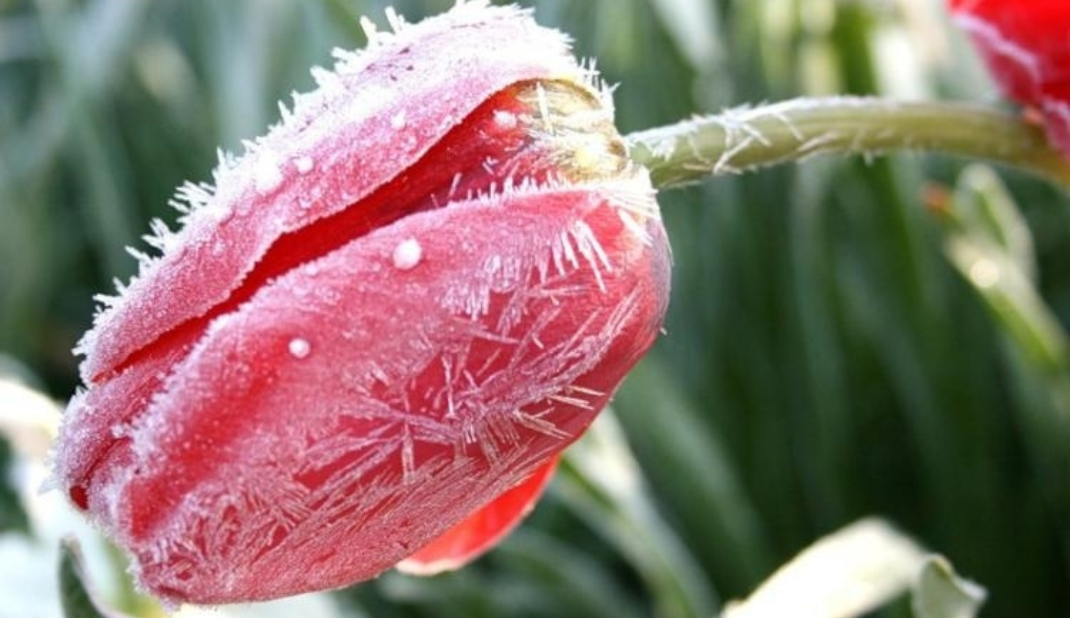
В мае у многих уже зеленеют всходы моркови, редиса, свеклы и пряных трав. И вдруг приходят они – ночные, возвратные заморозки.
Чтобы не погубить будущий урожай, прежде всего, стоит внимательно следить за прогнозом погоды.
Растения, которым уделяют больше всего внимания – первые в группе риска. Например, если, розы, были обрезаны неделю-две назад, у них началась массированная вегетация. Тогда молодые листочки недельной-двухнедельной давности подвержены заморозкам.
Если томаты, огурцы, перцы и другие теплолюбивые, фактически тропические и субтропические культуры, высажены в теплицу раньше времени, они будут страдать от низких температур.
Чтобы уберечь растения от поздних весенних и ранних зимних заморозков, следует знать методы защиты.
Расскажем о самых распространенных:
- укрывание
Самый простой способ – укрыть маленькие растения спанбондом. В дополнение к этому можно вечером наполнить бутылки горячей водой и разложить их на грядках.
Если всходов еще немного, каждое растение можно укрыть отдельно. Подойдут разрезанные наполовину пластиковые бутылки, ведра или колпаки, сделанные из бумаги.
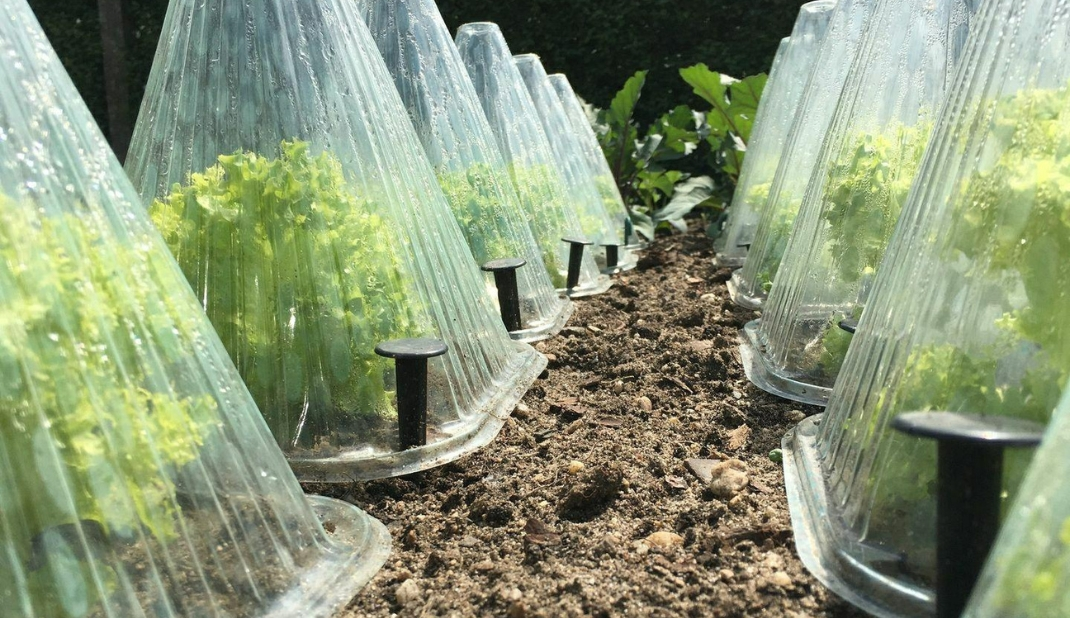
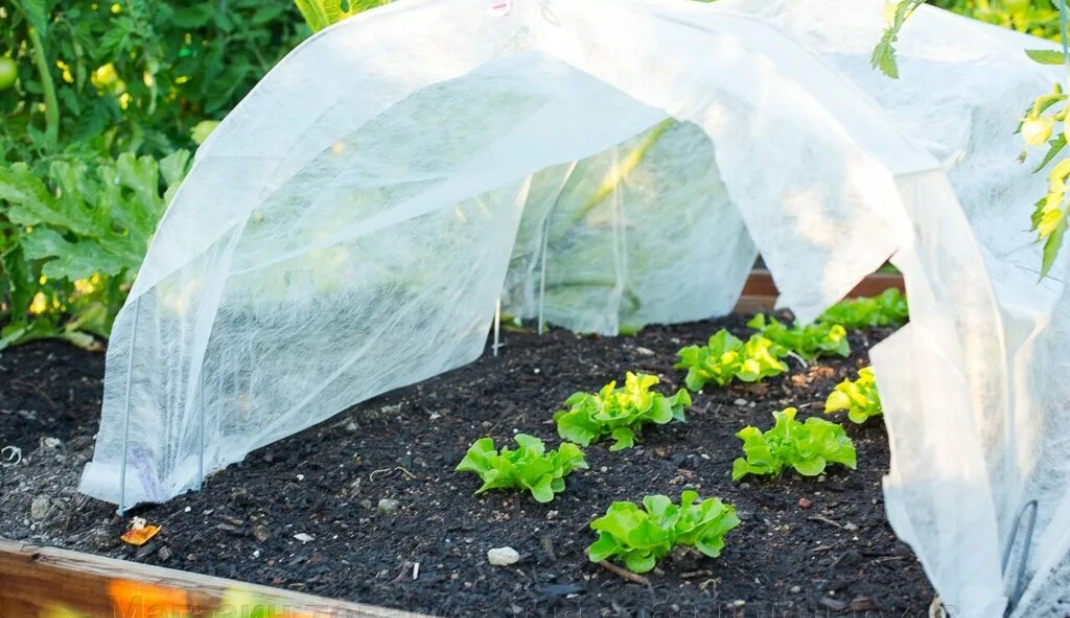
Важно: укрытие надевают так, чтобы листья растений не касались материала.
- дождевание
Орошение растений проводят за несколько часов до предполагаемых заморозков: как правило, глубокой ночью, так как сильные заморозки бывают на рассвете. При низкой температуре влага испаряется и тем самым подогревает воздух. В результате чего мороз не опускается до земли. Метод дождевания эффективен при морозах до –7°С.
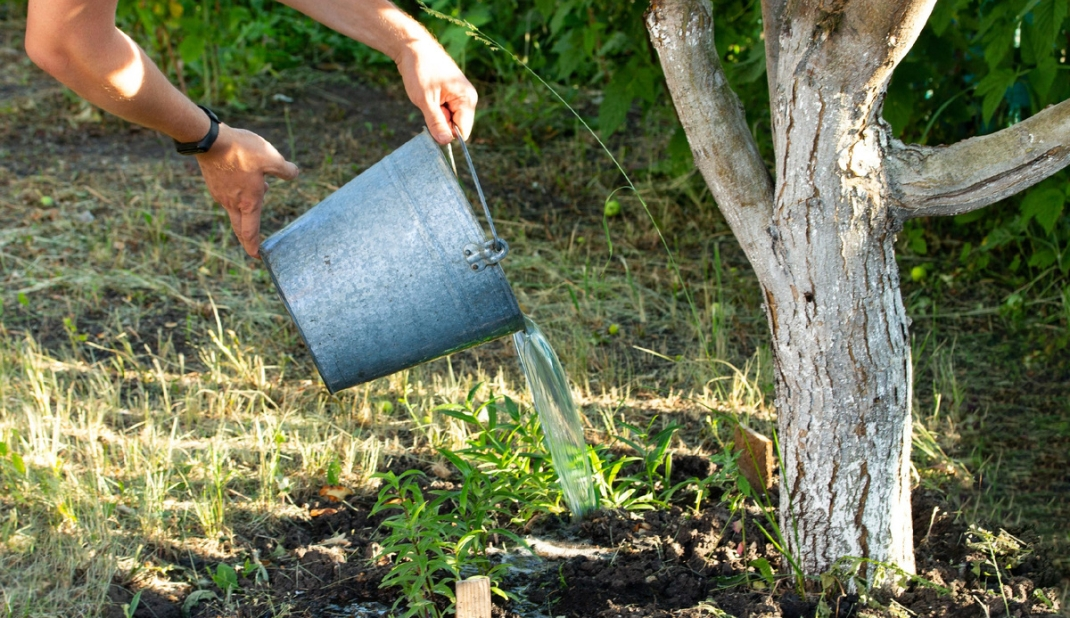
Для деревьев и кустарников весьма эффективен влагозарядный полив водой с температурой около 10°С.
Усилить испарение влаги можно при помощи прозрачной пленки, которую застилают под кроной деревьев после полива приствольных кругов. Днем весеннее солнце прогревает землю, незадолго до наступления морозов пленку убирают – и теплый пар поднимается вверх, защищая крону растения от подмерзания.
- окучивание
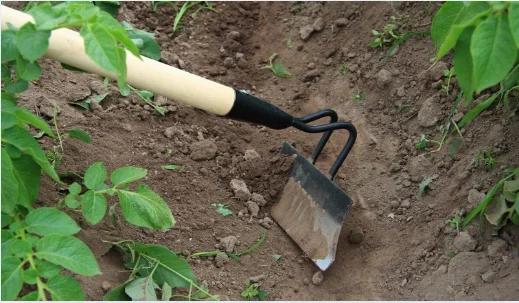
Чтобы защитить от возвратных заморозков молодые ростки картофеля (с 3-5 листочками), нужно при помощи тяпки окучить их землей. Высота слоя должна быть 7-10 см.
- мульчирование органикой
Этот прием хорош для овощных культур. После вечернего полива растений на грядках раскладывают солому, компост и сухую траву. Слой органической мульчи уменьшает теплоотдачу почвы и увеличивает влажность над ее поверхностью.
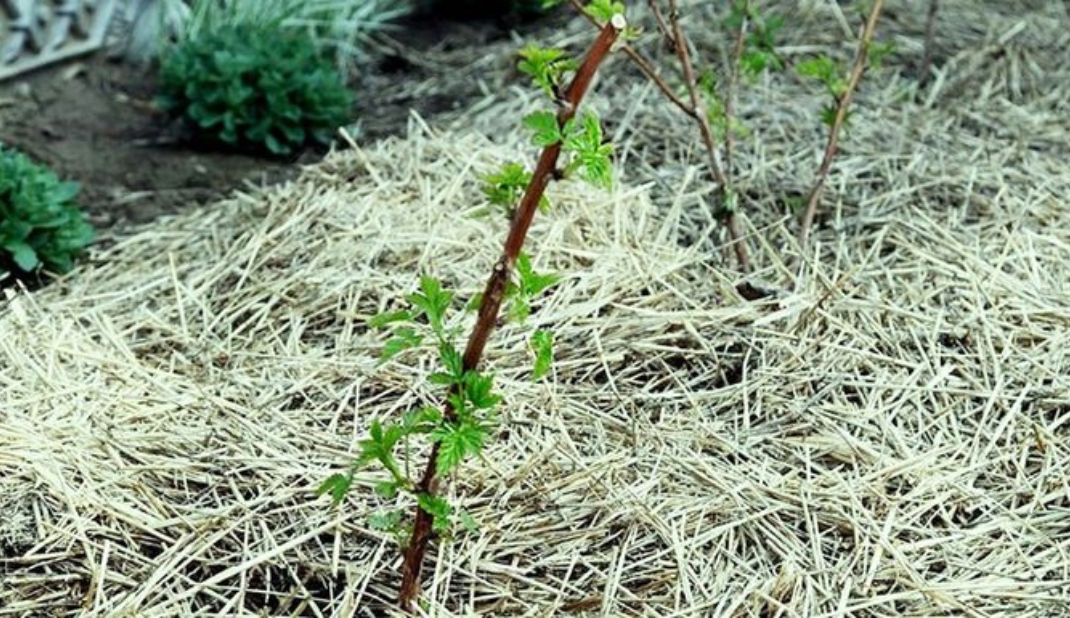
Теплые грядки, сделанные на основе органики, тоже хорошо греют культуры снизу. А если дополнительно накрыть их агроволокном, то в такой теплице растениям будут не страшны даже сильные морозы.
- подкормки
Помогают растениям лучше противостоять пониженным температурам.
Например, когда ночные температуры опускаются до минус 4-5 градусов, овощная рассада впадает в стресс, и растениям понадобятся две недели, чтобы из него выйти.
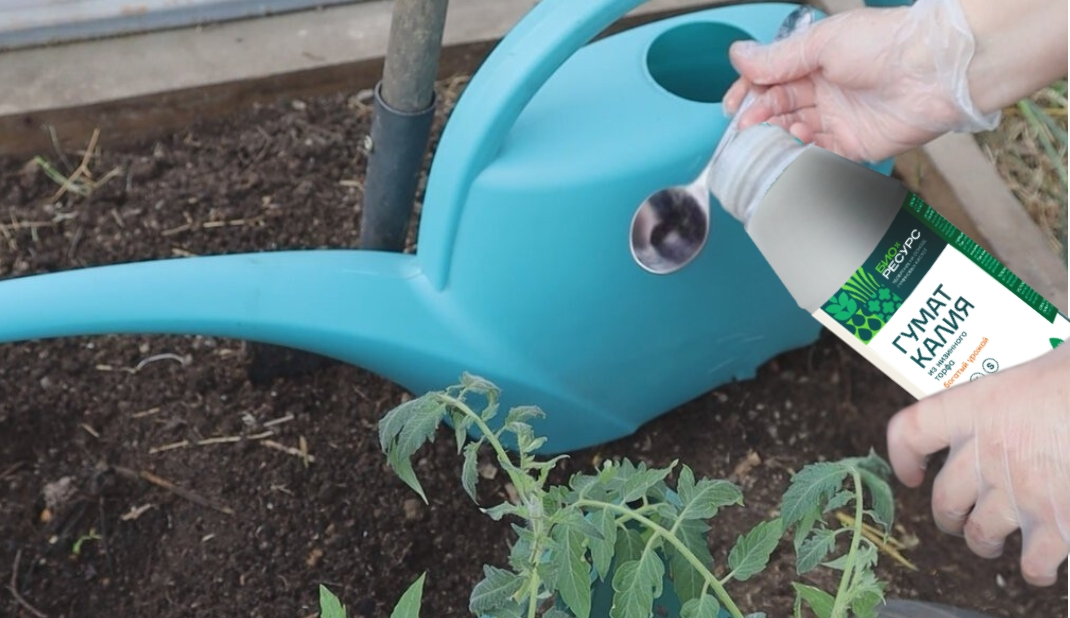
Безопасным и эффективным удобрением для подкормки рассады является гумат калия «Биоресурс» Богатый урожай.
В этом удобрении сочетаются антистрессовые свойства гуминовых кислот и питательные свойства доступных форм азота, калия и серы. Гумат калия «Биоресурс» подкармливает растения, бережно снимая стресс и улучшая иммунитет.
Удобрение жидкое, его легко дозировать и вносить при поливе. 15 мл гумата, это примерно один колпачок, разводим в 10 л воды, которой поливаем наши растения.
Не забывайте, что от возвратных заморозков растения защитит грамотное планирование посадок.
Косточковые деревья, которые чаще всего страдают от ночных морозов во время цветения, не стоит сажать в низинах.
Кроме того, не стоит торопиться спешите "переселять" рассаду овощей на постоянное место в грунт. Растения следует предварительно закалить: днем выносить на улицу, а на ночь – обратно в помещение.
И, конечно, предпочтение следует отдавать лишь тем сортам, которые подходят для климата вашего региона.
Контактная информация
8 800 500 31 20
г.Челябинск
Свердловский пр-кт, 40а/2
Россия, 456404,
Челябинская обл.,
пос.Тимирязевский,
ул.Мичурина, д.3.
8 800 500 31 20
г.Челябинск
Свердловский пр-кт, 40а/2
Россия, 456404,
Челябинская обл.,
пос.Тимирязевский,
ул.Мичурина, д.3.