


Выгуливаем «рассаду»: закаливание рассады в апреле
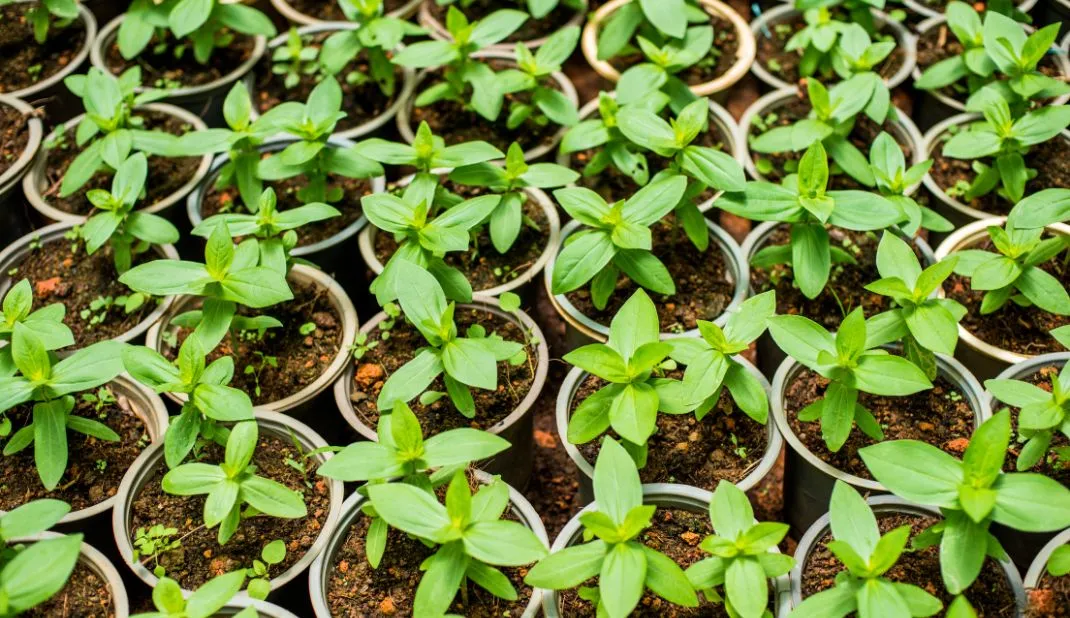
Календарная весна пришла. В апреле наступает и реальная.
Несмотря на еще возможные климатические «фокусы», стоит проштудировать прогноз погоды и отправляться на дачу для важных дел. Не существует универсального календаря весенних работ. Но первое, чем стоит заняться - закаливающие процедуры подросших сеянцев.
Это позволяет постепенно приучить растения к условиям открытого грунта и подготовить их к пересадке в грунт.
Но прежде нужно подготовить для растений будущий «дом» - теплицу.
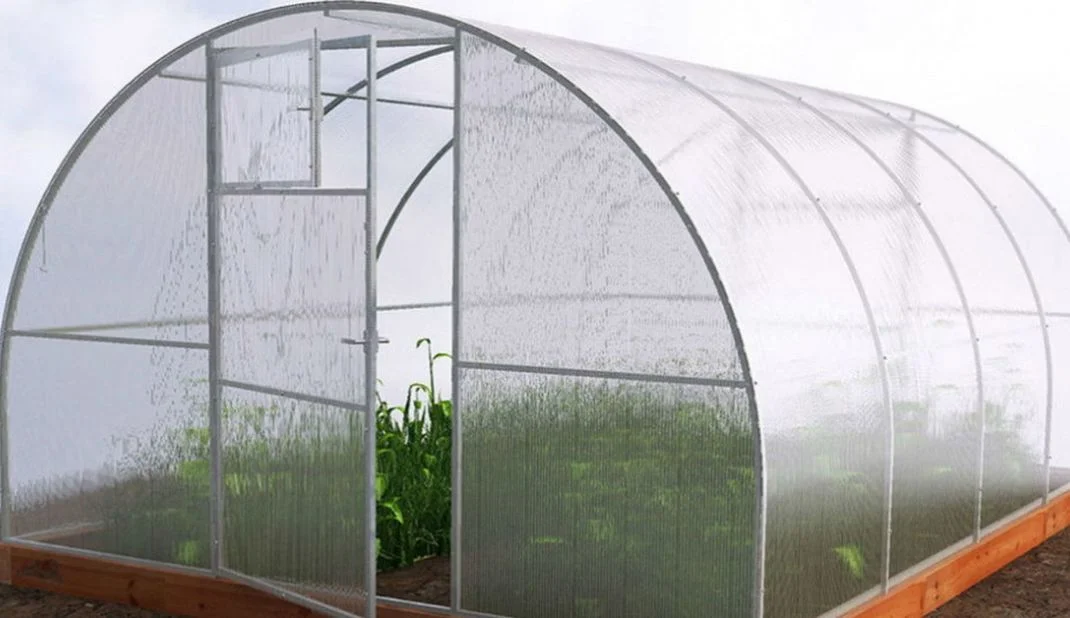
Тепличное сооружение и почвосмесь должны прогреться как можно скорее для приёма новых жильцов.
Из теплички нужно вынести все растительные остатки, опорные колышки, стеллажи, подвязочный материал. Органику можно заложить в компост, а стеллажи и колышки – помыть и обеззаразить.
Важно оценить состояние теплицы в целом – не стоит оставлять повреждения не заделанными и надеяться, что ещё «постоит». Это может навредить растениям внутри и участку в целом при сильном ветре или резком понижении температуры.
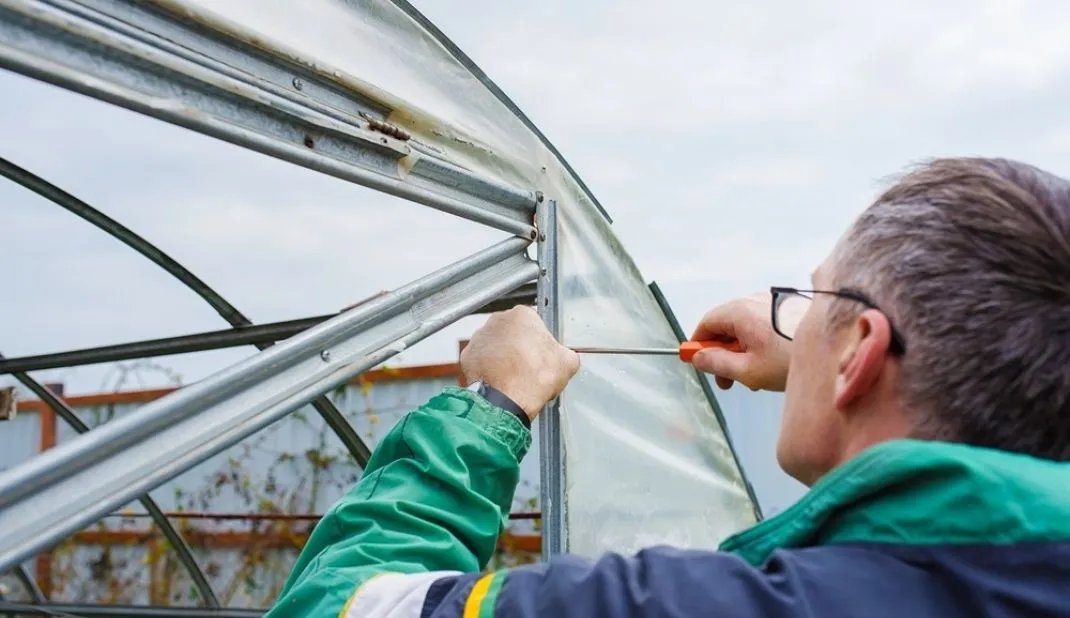
Саму тепличную конструкцию нужно помыть и продезинфицировать ведь на стенках и каркасе за сезон накапливается много грязи.
Обшивку изнутри можно помыть струей из шланга, с добавлением хозяйственного мыла; для поликарбоната – слабого раствора марганцовки.
Чистую конструкцию следует просушить. И переходить к дезинфекции ведь внутри сооружения накапливается большое количество патогенов. Они активно размножаются и без обработки быстро уничтожат все насаждения.
На этапе дезинфекции важно защитить грунт от используемых средств, например, постелив полиэтилен.
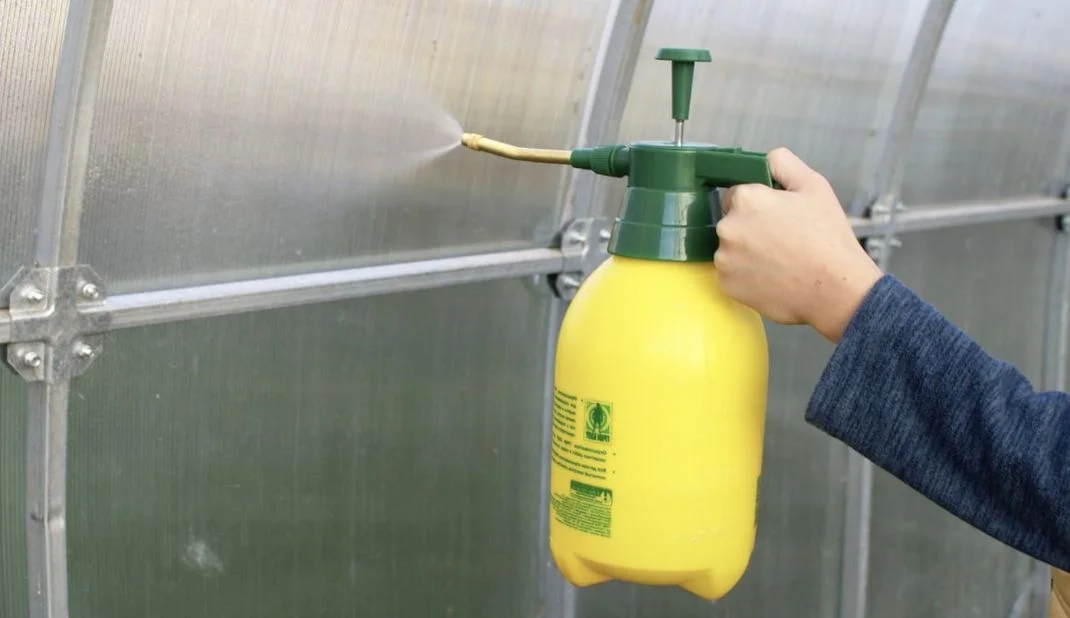
Среди дезинфицирующих средств может применяться гашеная известь, перекись водорода, бордоская жидкость или серная шашка.
Подготовив жилье для растений, переходим к подготовке жильцов – начинаем закаливать рассаду.
Закаливание дает возможность получить крепкие стрессоустойчивые растения, которые смогут быстро укорениться после пересадки и будут менее подвержены заболеваниям.
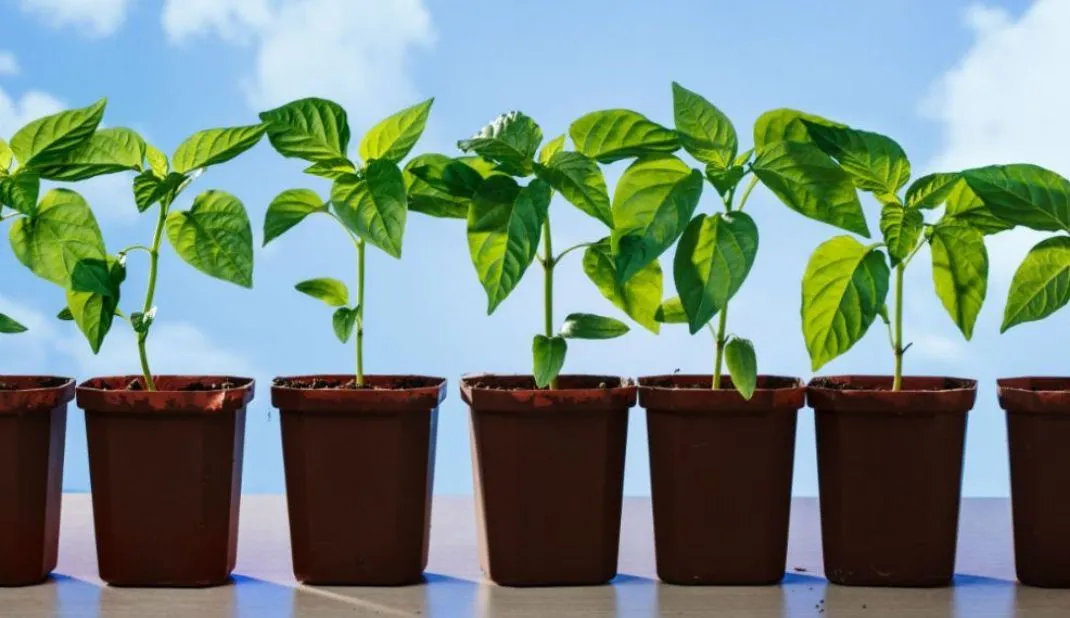
Начинать закаливание рекомендуется не менее чем за 10-15 дней до высадки. Температура наружного воздуха при этом должна быть не менее 15 °С. А температуру в помещении можно постепенно снижать до 17–18 °С сначала днём, а затем и ночью.
Например, высокорослые томаты очень важно вынести вовремя – в домашних условиях они быстро вытягиваются и перерастают.
Закаливание начинается с открывания дверей и окон в теплице. С каждым днём время можно постепенно увеличивать. Примерно через неделю рекомендуется оставлять окна открытыми ещё и на ночь.
Важно «не переборщить» с процедурами и позаботиться о том, чтобы рассада не оказалась на земле – растения могут замерзнуть.
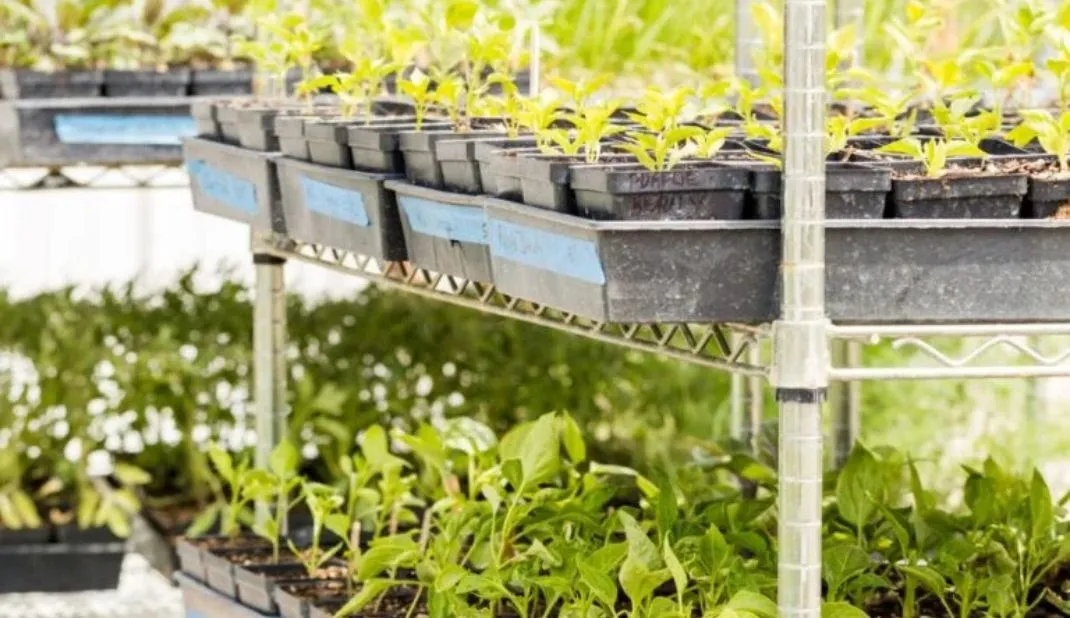
В качестве постаментов могут быть использованы обычные коробки, ящички, поддоны или специальные стеллажи.
Тогда вверх следует ставить растения, более требовательные к теплу и свету, а вниз – менее требовательные или только что рассаженные, требующие легкого притенения.
Капусте, например, нужен холод: рассада хорошо развивается при температуре 6-8°С ночью и до 15°С днем.
Во время закаливания важно регулярно поливать рассаду. Под воздействием солнца и ветра почва в горшках сохнет быстрее, поэтому следует проверять состояние субстрата и поливать рассаду, стараясь не мочить листья. При угрозе заморозков на ночь рассаду укрывают.
Для хорошего урожая важно, чтобы рассада была здоровой и крепкой.
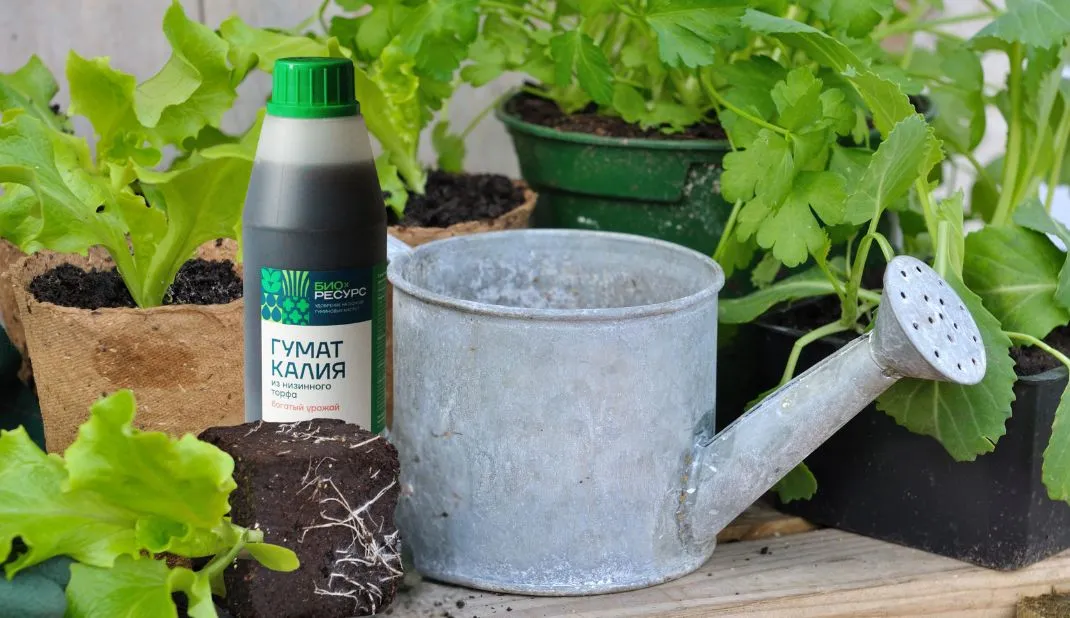
Безопасным и эффективным удобрением для подкормки рассады является гумат калия «Биоресурс» Богатый урожай - бережно подкармливает растения, улучшает иммунитет и снимает стресс за счёт свойств гуминовых кислот и питательных свойств азота, калия и серы.
Удобрение жидкое, его легко дозировать и вносить при поливе. 15 мл гумата, это примерно один колпачек, разводим в 10 л воды, которой поливаем наши растения.
Контактная информация
8 800 500 31 20
г.Челябинск
Свердловский пр-кт, 40а/2
Россия, 456404,
Челябинская обл.,
пос.Тимирязевский,
ул.Мичурина, д.3.
8 800 500 31 20
г.Челябинск
Свердловский пр-кт, 40а/2
Россия, 456404,
Челябинская обл.,
пос.Тимирязевский,
ул.Мичурина, д.3.