


Кормить или не кормить?
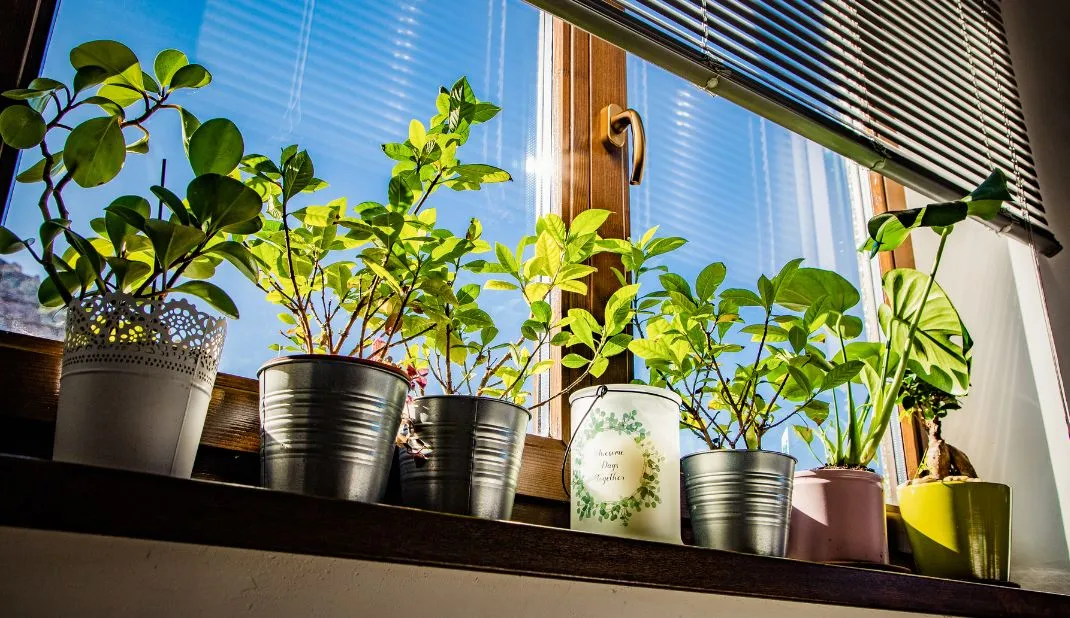
Огородный сезон, а вместе с ним и цветочные клумбы – теперь только следующей весной. Поэтому поговорим о растениях домашних. Они создают уют в наших домах, являются своего рода антистрессорами, и, конечно, очищают воздух помещений, обогащают его кислородом.
Так хочется видеть любимые комнатные растений красивыми и здоровыми, но чтобы они радовали в течение долгого времени, необходим правильный уход.
Комнатные растения получают питательные вещества в процессе фотосинтеза, а также при подкормках.
Зимой нецветущие растения рекомендуется подкармливать 1 раз в месяц, а цветущие – продолжать кормить в обычном режиме, пока не закончится цветение. При этом следует сократить количество удобрения. Концентрированные сильнодействующие удобрения в зимний период недопустимы. Многие растения находятся «в спячке» и не могут усвоить питательные вещества, которыми мы их подкармливаем. В первую очередь, зимой в подкормках нуждаются все тропические виды комнатных растений. Из-за короткого светового дня и условия маленького горшка у них замедляется рост. Но все равно многие продолжают активно цвести. Зимой лучше использовать подкормки жидкими удобрениями с невысоким содержанием азота, который стимулирует рост биомассы. Важно обеспечить равномерность распределения питательных веществ в объеме субстрата в горшке.
Рекомендуем для зимних подкормок комнатных растений «Биоресурс» Богатый урожай. Эта разработка наших специалистов уже полюбилась садоводам за сбалансированный состав и высокую эффективность.
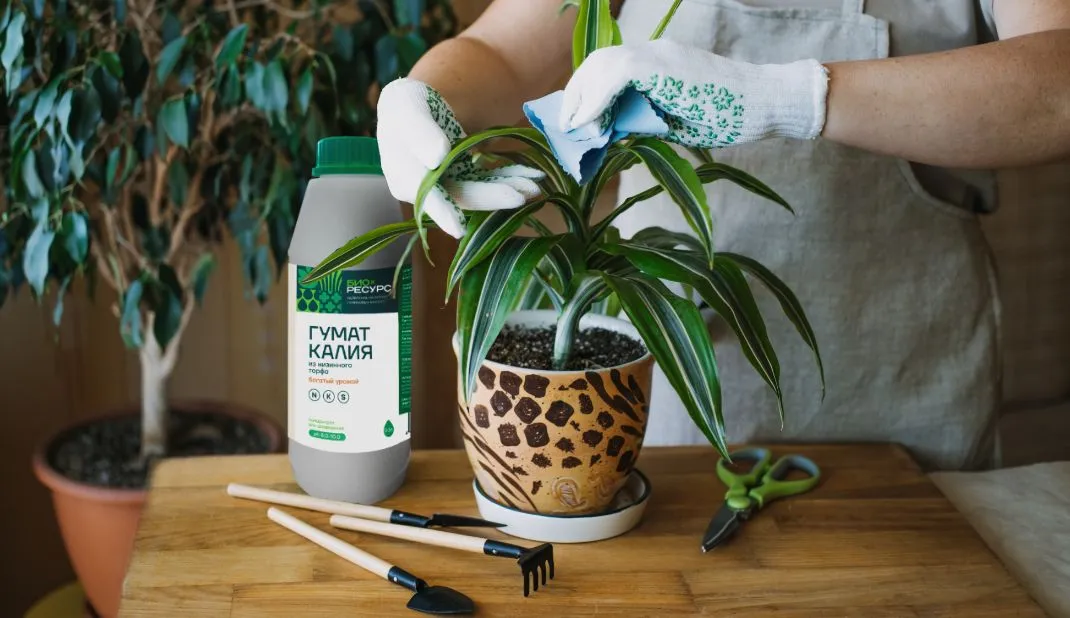
Горшок, в котором развивается наш домашний питомец, является системой с ограниченным количеством субстрата. В отсутствии подкормок быстро наступает истощение грунта независимо от того, какую питательность мы задали изначально. Замечательные результаты показывают удобрения пролонгированного действия, но и у них есть определенный срок действия. Гумат калия «Биоресурс» содержит легкорастворимые гуминовые и фульвокислоты, которые благоприятно влияют на микробиоту грунта, поддерживают наших питомцев зимой при перепадах температуры воздуха на подоконниках, низкой влажности воздуха и коротком световом дне.
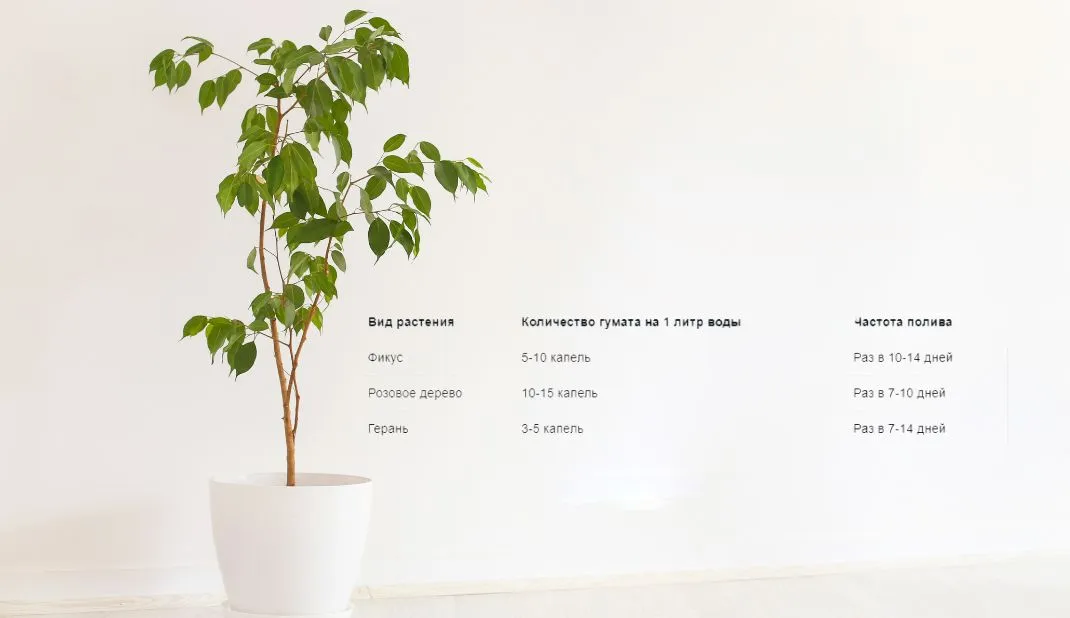
Зимой при поливе комнатных цветов обычно достаточно добавить несколько капель гумата в воду для полива.
Важно помнить, что гуматы могут взаимодействовать с другими добавками для полива, поэтому следует избегать их одновременного использования. Например, гумат калия при смешивании с фосфоросодержащими удобрениями может дать осадок.
Когда вносить подкормку для комнатных цветов:
- с марта по сентябрь достаточно вносить удобрение раз в две недели;
- с октября по февраль (фаза покоя): 1 раз в месяц проводят корневую подкормку.


Правильно размешивайте гумат перед применением. Обязательно встряхните бутылку перед применением. Рекомендуется размешивать гумат в воде до полного растворения, чтобы обеспечить равномерное распределение питательных веществ по почве и корням растения.
1 колпачок гумата в 10 л отстоявшейся воды.
Правильно поливайте растения с гуматом. Рекомендуется поливать растения непосредственно у корней или влить раствор гумата в поддон для полива. Избегайте обильного полива или заливания растений, чтобы не вызвать гниение корней.
Следите за реакцией растений на гумат. Не следует давать высокие дозировки. Внимательно наблюдайте за состоянием растения после внедрения гумата в полив. Если вы заметите признаки стресса или негативную реакцию растения, прекратите использование гумата или уменьшите его дозу.
Контактная информация
8 800 500 31 20
г.Челябинск
Свердловский пр-кт, 40а/2
Россия, 456404,
Челябинская обл.,
пос.Тимирязевский,
ул.Мичурина, д.3.
8 800 500 31 20
г.Челябинск
Свердловский пр-кт, 40а/2
Россия, 456404,
Челябинская обл.,
пос.Тимирязевский,
ул.Мичурина, д.3.