


Макроэлементы. Сера.
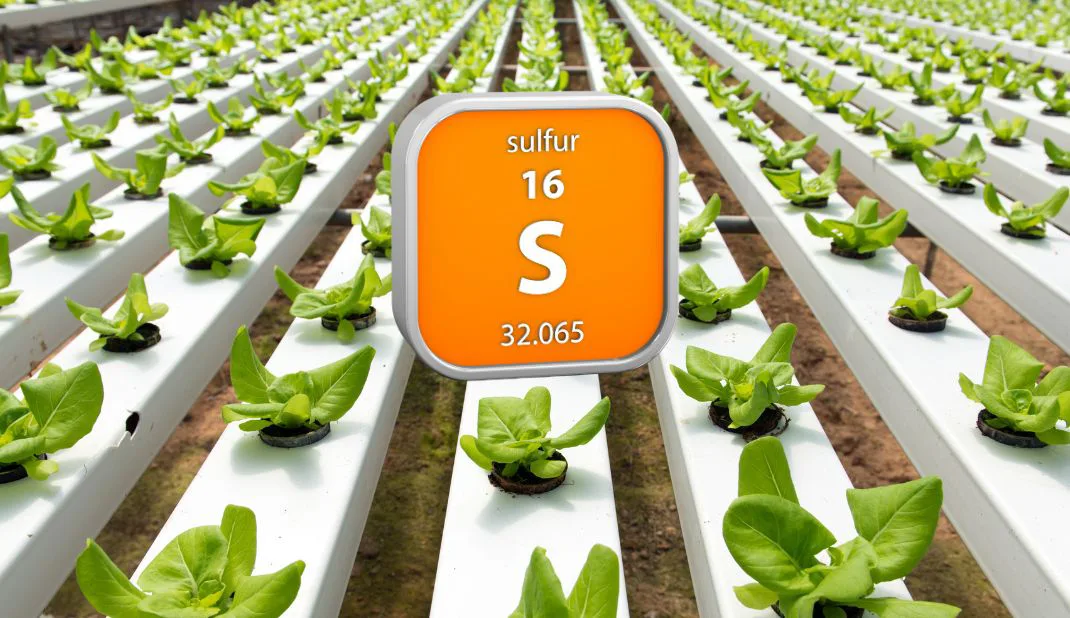
В этой статье у садоводов есть возможность изучить тонкости применения удобрений, постичь основы агрохимии.
Макроэлементы представляют особую важность для роста и развития растений на всех стадиях жизненного цикла. На вопрос, какие макроэлементы питания растений Вы знаете, практически каждый назовет азот, фосфор и калий. И лишь немногие вспомнят серу. А ведь сера – это такой же макроэлемент питания, и ее роль в жизни растения сложно переоценить. Заменить серу другими элементами невозможно. По данным агрохимической службы в России 75 % земель характеризуются дефицитом доступной растениям серы.
Сера активно участвует в азотном и углеводном обмене веществ, в процессах дыхания и синтезе жиров. Она стимулирует образование клубеньковых бактерий на корнях у бобовых культур и повышает эффективность применения NPK-удобрений (комплексные азотно-фосфорно-калийные удобрения).
Сера - незаменимый компонент белков (аминокислот метионина, цистеина), витамина В1, липоевой кислоты, хлорофилла, поэтому ее дефицит вызывает нарушения синтеза белка, снижение интенсивности фотосинтеза и накопление нитритов и нитратов.
Сера участвует в формировании многих ферментов и эфирных масел.
Одно из условий получения высококачественных урожаев - достаточное обеспечение растений серным питанием.
Сера обеспечивает высокий уровень накопления в продуктах сахаров и крахмала, улучшает вкус овощей, плодов и ягод.
Сюда же отнесем результаты работы предприятий общественного питания, детских учреждений, больниц и санаториев, всех иных мест, где есть скопление народа – от вокзалов до магазинов, от бань до спортивных залов.
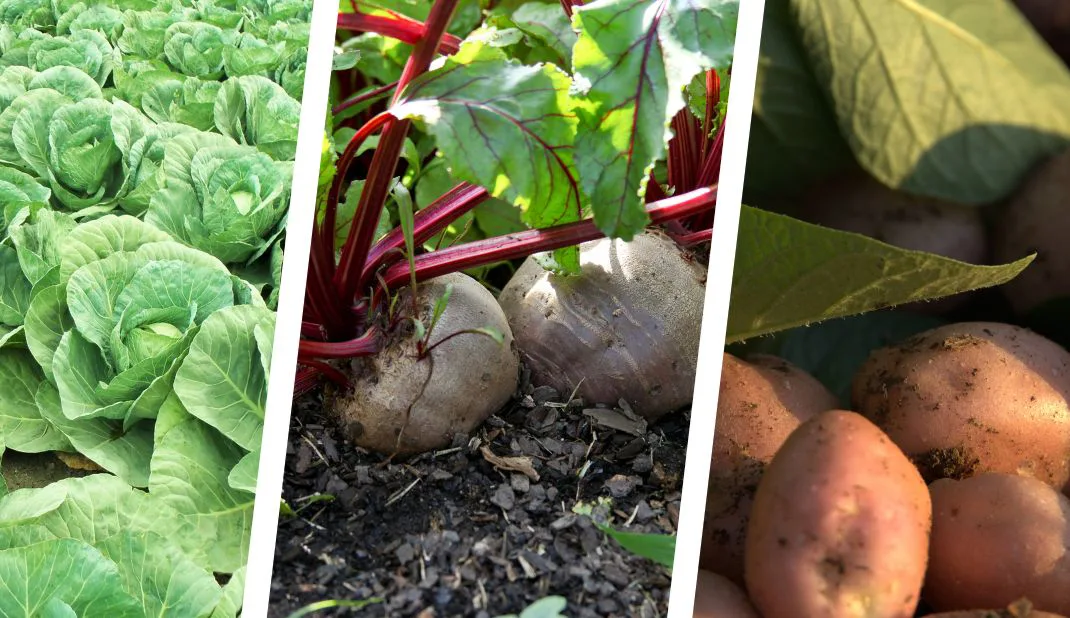
Высокотребовательны к содержанию серы крестоцветные, например, капуста, среднетребовательны – свекла и все бобовые, низкотребовательны – картофель.
Поступление серы в растения осуществляется как из почвенных запасов, так и из атмосферы. Растениями сера усваивается в виде сульфатов.
Основные симптомы серного голодания на молодых растущих листьях растений или точках роста - пожелтение, мелколиственность, задержка созревания.Связано это с тем, что сера малоподвижна в растениях и не может мигрировать, например, от нижних листьев к верхним.
Максимальное ее количество сосредоточено в семенах и тканях листьев, а минимальное – в стеблях и корнях.
Именно поэтому ликвидировать последствия серного дефицита в кратчайшие сроки - 4-5 дней - лучше всего путем некорневых подкормок растений.
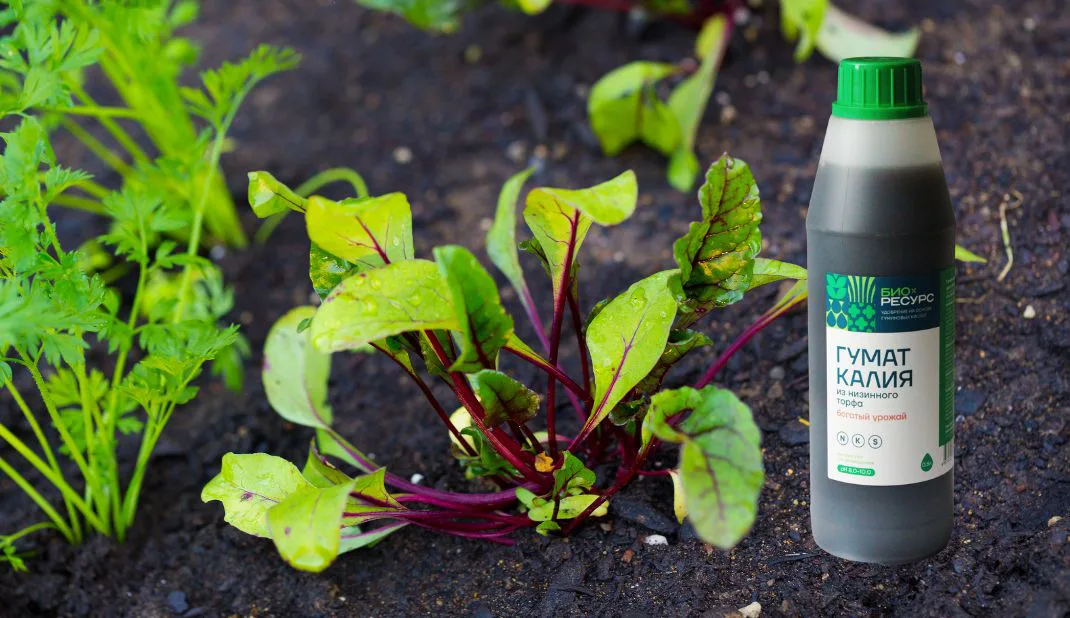
С этой целью применяются серосодержащие удобрения, обладающие высокой водорастворимостью. Очень эффективно сочетание гуминовых кислот с доступной серой, особенно на фоне доступного азота и калия. Опытные овощеводы хорошо знакомы с такими удобрениями.
Гумат калия «Биоресурс» Богатый урожай содержит серу в комплексе с азотом и калием.
Кстати, обратите внимание, что соотношение азота и серы в удобрении должно быть 10:1, это дает максимальный результат.
Азот без серы – деньги на ветер!
Контактная информация
8 800 500 31 20
г.Челябинск
Свердловский пр-кт, 40а/2
Россия, 456404,
Челябинская обл.,
пос.Тимирязевский,
ул.Мичурина, д.3.
8 800 500 31 20
г.Челябинск
Свердловский пр-кт, 40а/2
Россия, 456404,
Челябинская обл.,
пос.Тимирязевский,
ул.Мичурина, д.3.