


Гуматы спасут воду. А значит — Землю!
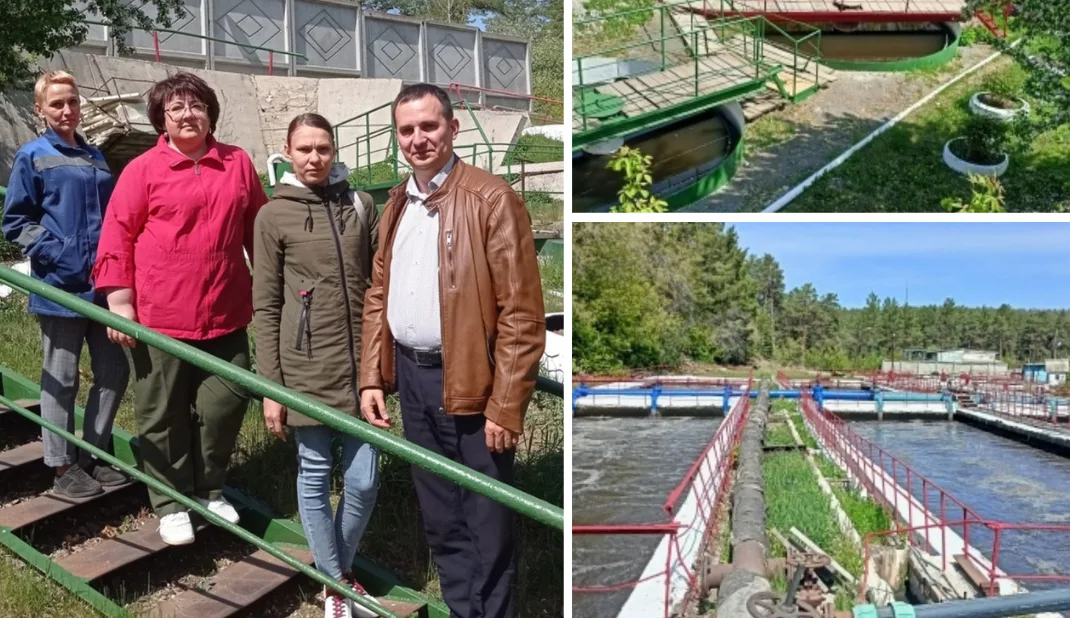
В мае специалисты ООО "Чебаркульская птица" посетили очистные сооружения города Сухой Лог в Свердловской области и поделились опытом применения гумата калия "Биоресурс" для повышения эффективности очистки сточных вод.

В «Чебаркульской птице» по-прежнему активно ведутся изыскания и закладываются опыты в различных направлениях решения экологических вопросов, таких как очистка хозяйственно-бытовых сточных вод, нейтрализация полютантов, ликвидация нефтяных загрязнений.
Сколько воды в повседневной жизни потребляет человек, столько же воды вытекает во внешнюю среду, но уже с ухудшенными свойствами.
Способность воды растворять и вымывать многое из того, с чем она соприкасается, обуславливает невозможность существования в естественных условиях воды в чистом виде.
Проблема повышения качества очистки хозяйственно-бытовых сточных вод с каждым годом стоит все более остро и тесно связана с загрязнением подземных и поверхностных вод, ухудшением качества жизни населения.
Если вопросы очистки производственных сточных вод находятся под пристальным вниманием, то до очистных сооружений маленьких городов и поселков, где доминирующими являются хозяйственно-бытовые сточные воды, «не доходят руки».
Хозяйственные и бытовые сточные воды образуются в результате ежедневной жизнедеятельности человека – бытовой и физиологической.
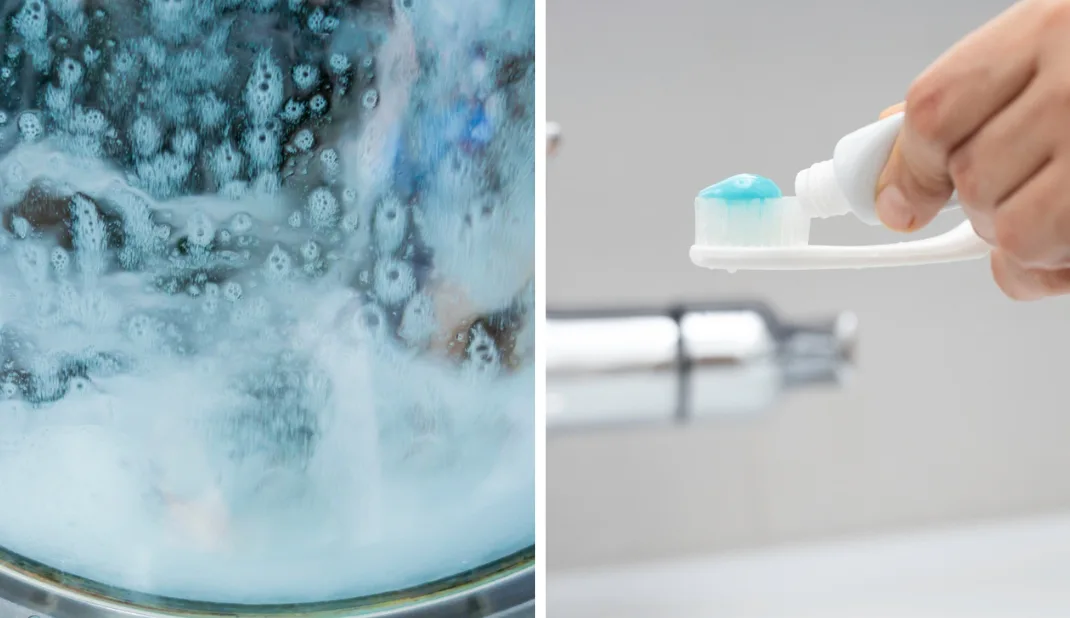
Хозяйственно-бытовые стоки — это вода, которая сливается в канализацию после того, как человек умоется, почистит зубы, примет душ, сходит в туалет. Ежедневно мы готовим себе пищу, моем продукты, использованную посуду, стираем белье, убираем дом. Они отводятся по системе общественной канализации.
Сюда же отнесем результаты работы предприятий общественного питания, детских учреждений, больниц и санаториев, всех иных мест, где есть скопление народа – от вокзалов до магазинов, от бань до спортивных залов.
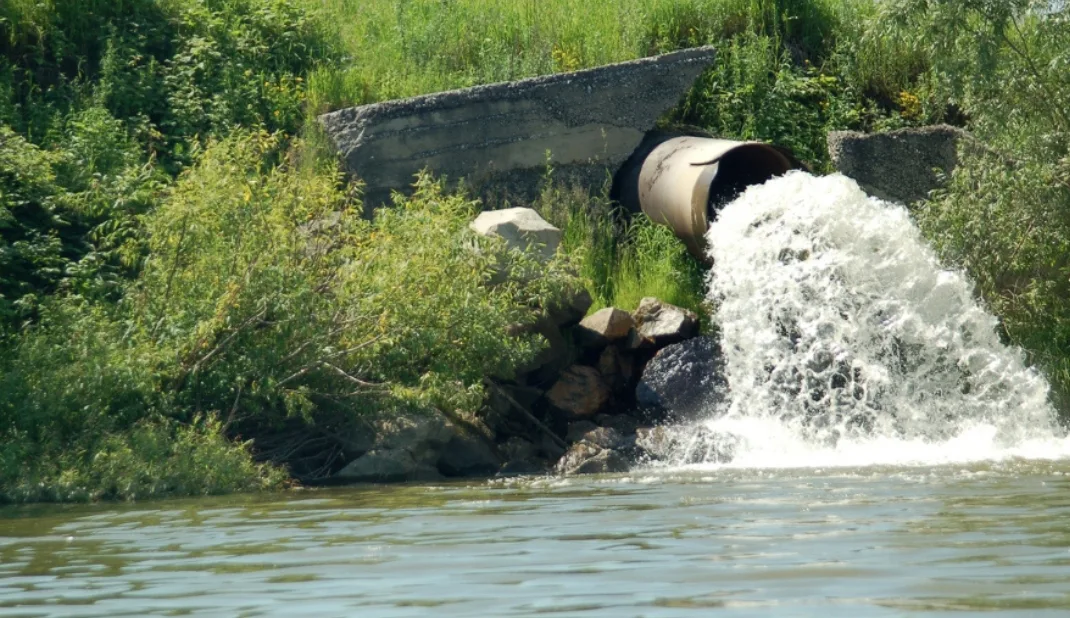
После употребления вода поступает в канализацию. Она загрязняется бытовым мусором и естественными выделениями человека.
Загрязнения в сточных водах представлены в виде растворов взвешенных частиц и клейких некристаллизующихся веществ (коллоидов). В составе содержатся минералы (40%). Это соли (нитриты, сульфиты, хлориды, фосфаты и др.), частицы пыли и грунта.
Органические примеси образуются после животных и людей. В бытовые стоки поступают пищевые остатки. Органические отходы – это жиросодержащие, углеводные, белковые соединения, кислоты, клетчатка и др.
Бытовые сточные воды относят к 4 классу опасности. Они представляют угрозу для населения и должны обезвреживаться после использования. В бытовых стоках содержится 45-58% органических веществ: они определяют основные физические и химико-биологические характеристики бытовой канализации:
В особую группу входят бактериальные загрязнения.
Патогенные вирусы, микроорганизмы, бактерии живут в сточных водах. Они приспособились к существованию внутри человеческого организма, птицах и животных. Попадая во внешнюю среду, некоторая часть их погибает. Остальные сохраняют свои болезнетворные свойства и продолжают активно развиваться.
Это бактерии туберкулеза, туляремии, бруцеллы, холерные вибрионы и другие патогены.
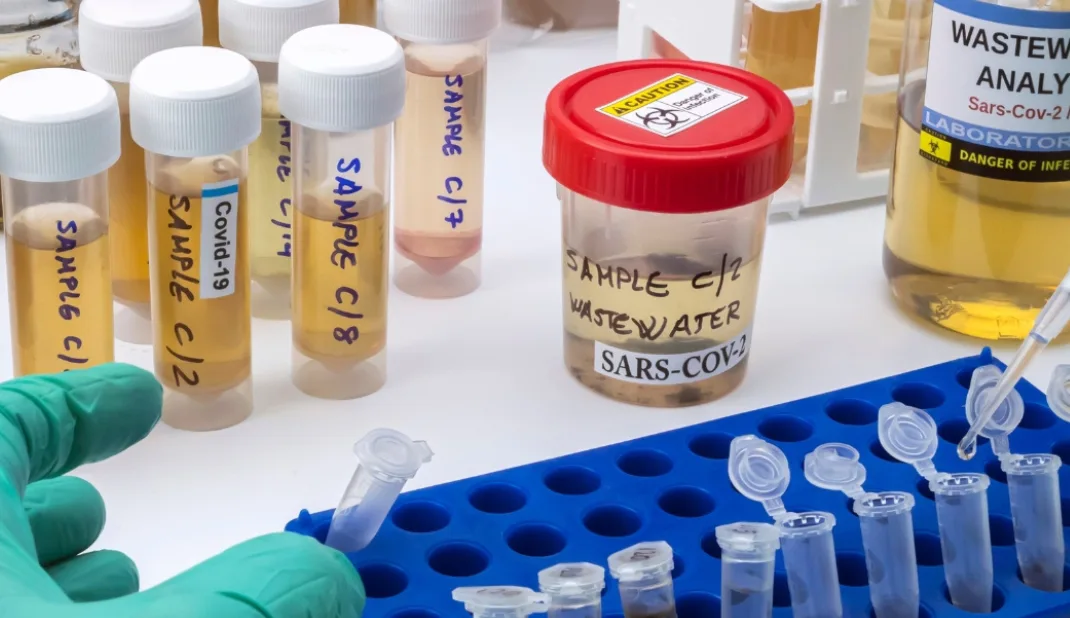
Индикатор уровня загрязнения - предельно допустимая концентрация кишечной палочки Escherichia coli.
Ее количественное содержание определяет качество воды и возможность применения ее в бытовых нуждах.
Очистные сооружения в небольших населенных пунктах - в которых так же умываются, стирают, моют посуду - как правило, были построены еще во второй половине XX века.
Они во многом устарели, а какие-то уже просто не функционируют.
Отсутствие бюджетирования от муниципалитетов усугубляет и без того опасную ситуацию.
При этом поступление в окружающую среду неочищенных или недостаточно очищенных сточных вод крайне негативно сказывается на экологической обстановке и, в конечном итоге, на здоровье жителей.
У специалистов ООО "Чебаркульская птица" уже есть успешный опыт применения гумата калия "Биоресурс" для повышения эффективности очистки сточных вод.
Сама технология очистки сточных вод основана на способности гуминовых кислот связывать загрязняющие примеси (тяжёлые металлы и т.п.), переводить их в водонерастворимое состояние и выводить в виде осадка.
Кроме того, гуминовые кислоты активизируют развитие полезных микроорганизмов и подавляют действие патогенов на последней стадии процесса биологической очистки сточных вод.
При добавлении в стоки 0,01% гуматов происходит более интенсивное свертывание примесей, на 10-15% повышается пропускная способность очистных сооружений.
Гуминовые кислоты взаимодействуют с тяжелыми металлами, а образовавшиеся и уже имеющиеся в гуминовых удобрениях водонерастворимые металлогуматы обезвреживают нефтепродукты путем адсорбции их на высокомолекулярной структуре гуминовых кислот.
Обеспечивая эффективную очистку от загрязнителей, гуминовые препараты не оказывают отрицательного влияния на флору и фауну водоёмов.
По результатам поездки в Сухой Лог были определены возможные точки ввода гумата и сформирована схема эксперимента.
Опыт применения гумата калия "Биоресурс" должен позволить усилить процесс очистки сточных вод маленьких городов, решать многие производственные задачи, существенно снизить интенсивность неприятного запаха. И, в конечном счете, повысить качество жителей!
В «Чебаркульской птице» по-прежнему активно ведутся изыскания и закладываются опыты в различных направлениях решения экологических вопросов, таких как очистка хозяйственно-бытовых сточных вод, нейтрализация полютантов, ликвидация нефтяных загрязнений.
Сколько воды в повседневной жизни потребляет человек, столько же воды вытекает во внешнюю среду, но уже с ухудшенными свойствами.
Способность воды растворять и вымывать многое из того, с чем она соприкасается, обуславливает невозможность существования в естественных условиях воды в чистом виде.
Проблема повышения качества очистки хозяйственно-бытовых сточных вод с каждым годом стоит все более остро и тесно связана с загрязнением подземных и поверхностных вод, ухудшением качества жизни населения.
Если вопросы очистки производственных сточных вод находятся под пристальным вниманием, то до очистных сооружений маленьких городов и поселков, где доминирующими являются хозяйственно-бытовые сточные воды, «не доходят руки».
Хозяйственные и бытовые сточные воды образуются в результате ежедневной жизнедеятельности человека – бытовой и физиологической.
Хозяйственно-бытовые стоки — это вода, которая сливается в канализацию после того, как человек умоется, почистит зубы, примет душ, сходит в туалет. Ежедневно мы готовим себе пищу, моем продукты, использованную посуду, стираем белье, убираем дом. Они отводятся по системе общественной канализации.
Сюда же отнесем результаты работы предприятий общественного питания, детских учреждений, больниц и санаториев, всех иных мест, где есть скопление народа – от вокзалов до магазинов, от бань до спортивных залов.
После употребления вода поступает в канализацию. Она загрязняется бытовым мусором и естественными выделениями человека.
Загрязнения в сточных водах представлены в виде растворов взвешенных частиц и клейких некристаллизующихся веществ (коллоидов). В составе содержатся минералы (40%). Это соли (нитриты, сульфиты, хлориды, фосфаты и др.), частицы пыли и грунта.
Органические примеси образуются после животных и людей. В бытовые стоки поступают пищевые остатки. Органические отходы – это жиросодержащие, углеводные, белковые соединения, кислоты, клетчатка и др.
Бытовые сточные воды относят к 4 классу опасности. Они представляют угрозу для населения и должны обезвреживаться после использования. В бытовых стоках содержится 45-58% органических веществ: они определяют основные физические и химико-биологические характеристики бытовой канализации:
- мутные, непрозрачные, серовато-белесого цвета с характерным запахом фекалий
- содержат минеральные и органические остатки
- представляют собой частично коллоидное и состояние раствора
- большая доля патогенных микробов, бактерий, вирусов. Также содержат грибки, гнили, плесень, дрожжи, гельминты
- кислотность выше нейтральной – рН 7,2-7,8.
В особую группу входят бактериальные загрязнения.
Патогенные вирусы, микроорганизмы, бактерии живут в сточных водах. Они приспособились к существованию внутри человеческого организма, птицах и животных. Попадая во внешнюю среду, некоторая часть их погибает. Остальные сохраняют свои болезнетворные свойства и продолжают активно развиваться.
Это бактерии туберкулеза, туляремии, бруцеллы, холерные вибрионы и другие патогены.
Индикатор уровня загрязнения - предельно допустимая концентрация кишечной палочки Escherichia coli.
Ее количественное содержание определяет качество воды и возможность применения ее в бытовых нуждах.
Очистные сооружения в небольших населенных пунктах - в которых так же умываются, стирают, моют посуду - как правило, были построены еще во второй половине XX века.
Они во многом устарели, а какие-то уже просто не функционируют.
Отсутствие бюджетирования от муниципалитетов усугубляет и без того опасную ситуацию.
При этом поступление в окружающую среду неочищенных или недостаточно очищенных сточных вод крайне негативно сказывается на экологической обстановке и, в конечном итоге, на здоровье жителей.
У специалистов ООО "Чебаркульская птица" уже есть успешный опыт применения гумата калия "Биоресурс" для повышения эффективности очистки сточных вод.
Сама технология очистки сточных вод основана на способности гуминовых кислот связывать загрязняющие примеси (тяжёлые металлы и т.п.), переводить их в водонерастворимое состояние и выводить в виде осадка.
Кроме того, гуминовые кислоты активизируют развитие полезных микроорганизмов и подавляют действие патогенов на последней стадии процесса биологической очистки сточных вод.
При добавлении в стоки 0,01% гуматов происходит более интенсивное свертывание примесей, на 10-15% повышается пропускная способность очистных сооружений.
Гуминовые кислоты взаимодействуют с тяжелыми металлами, а образовавшиеся и уже имеющиеся в гуминовых удобрениях водонерастворимые металлогуматы обезвреживают нефтепродукты путем адсорбции их на высокомолекулярной структуре гуминовых кислот.
Обеспечивая эффективную очистку от загрязнителей, гуминовые препараты не оказывают отрицательного влияния на флору и фауну водоёмов.
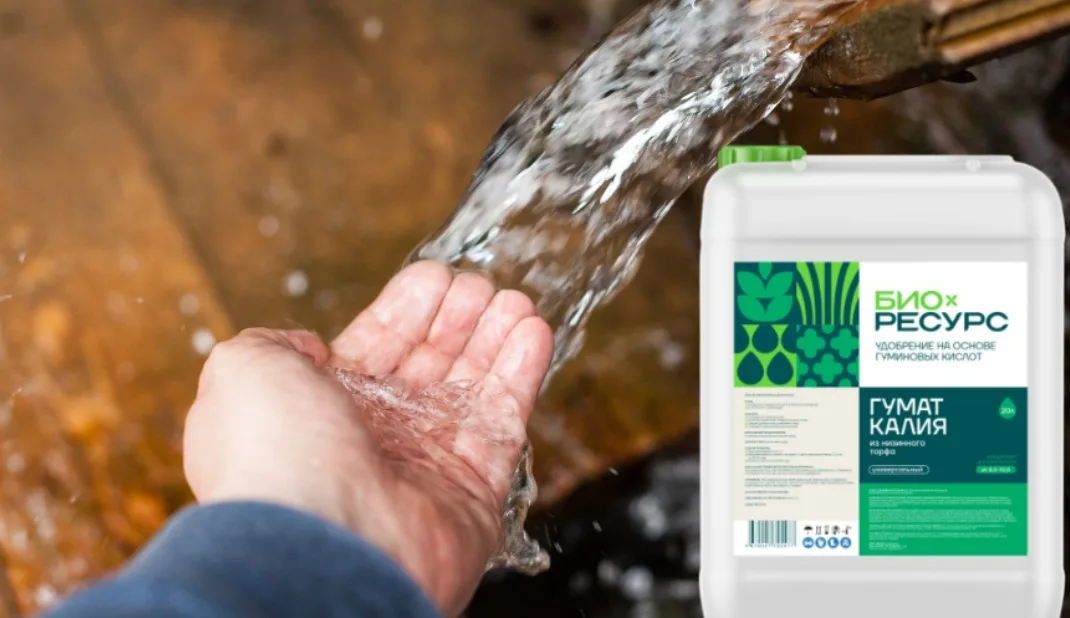
По результатам поездки в Сухой Лог были определены возможные точки ввода гумата и сформирована схема эксперимента.
Опыт применения гумата калия "Биоресурс" должен позволить усилить процесс очистки сточных вод маленьких городов, решать многие производственные задачи, существенно снизить интенсивность неприятного запаха. И, в конечном счете, повысить качество жителей!
Контактная информация
8 800 500 31 20
г.Челябинск
Свердловский пр-кт, 40а/2
Россия, 456404,
Челябинская обл.,
пос.Тимирязевский,
ул.Мичурина, д.3.
8 800 500 31 20
г.Челябинск
Свердловский пр-кт, 40а/2
Россия, 456404,
Челябинская обл.,
пос.Тимирязевский,
ул.Мичурина, д.3.