


Красивый газон
О «пушистом ковре» на участке мечтают многие. Но не всем удается вырастить такой газон – часто дачникам не хватает навыков: обустройство лужайки – дело кропотливое.

Стоит отметить, что помимо эстетического удовольствия, газон приносит еще и пользу: знойным летом зеленая лужайка создает прохладу. Многочисленные исследования показали, что в жару температура воздуха над газоном на 3–5 °С ниже, чем над поверхностью голой почвы – из-за интенсивного испарения травой влаги. Кроме того, 1 га газона вырабатывает от 5 до 19 тонн кислорода в год – столько же, сколько гектар леса.
Самостоятельно заложить газон – дело нехитрое.
Но есть нюансы:
- выбор места
Все газонные травы любят обилие света. В теневых местах трава сильно вытягивается. И лужайка становится неопрятной.
Очень желательно выбирать ровные площадки.
Категорически не рекомендуются низинные участки: весной и после дождя вода будет застаиваться, что приведет к загниванию корней у трав.
- подготовка участка
Первым делом следует максимально тщательно истребить сорняки. В противном случае они прорастут сквозь газон и избавиться станет практически невозможно. В первую очередь это касается пырея ползучего, пижмы, тысячелистника, подмаренника.
Есть два способа: сложный и попроще.
В период цветения обработку можно повторить, чтобы улучшить синтез и транспортировку сахаров, увеличить вес клубней, а также содержание сухого вещества в клубне.
Сложным способом почва перекапывается на штык лопаты и комья земли перебираются вручную, с удалением даже малейших кусочков корней сорных трав.
Обработка участка гербицидом сплошного действия – способ попроще. Однако, подобная химия агрессивна ко всей растительности тоже.
Избавление участка от камней – также важная часть процесса: на чистой лужайке шансы повредить ноги и технику при последующих покосах минимальны.
Газон можно закладывать в течение всего теплого сезона - с конца апреля до конца сентября. Однако лучшие результаты дает посев весной и летом.
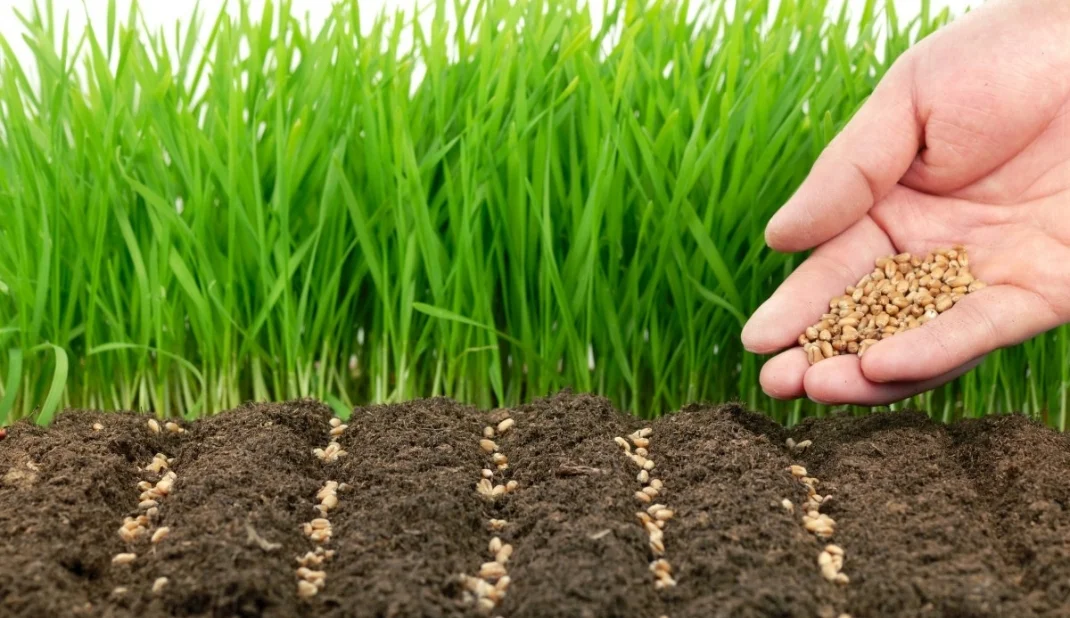
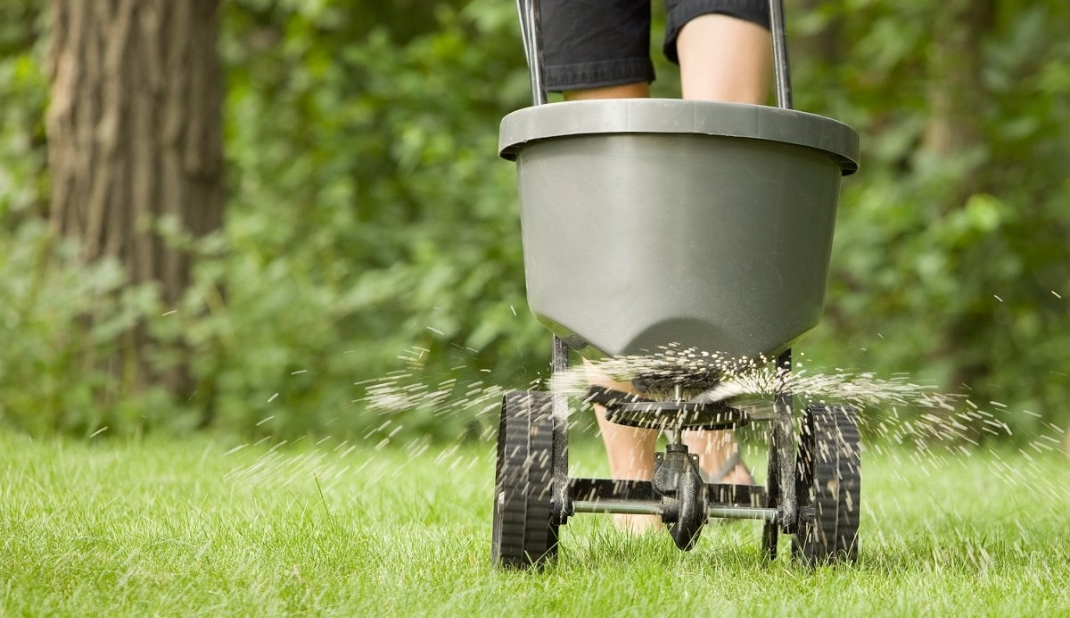
Самое главное при посеве газона – чтобы не вышло «тут густо, там пусто». Специальные сеялки для газона, например, можно взять в аренду.
До всхода травы поливать газон нужно ежедневно, а в жару – 2 раза в сутки: утром и вечером, пока нет жаркого обжигающего траву солнца. Затем поливы можно сократить до 1 раза в неделю.
Обновление уже имеющегося газона и оживление его в новом сезоне также требуют к себе повышенного внимания.
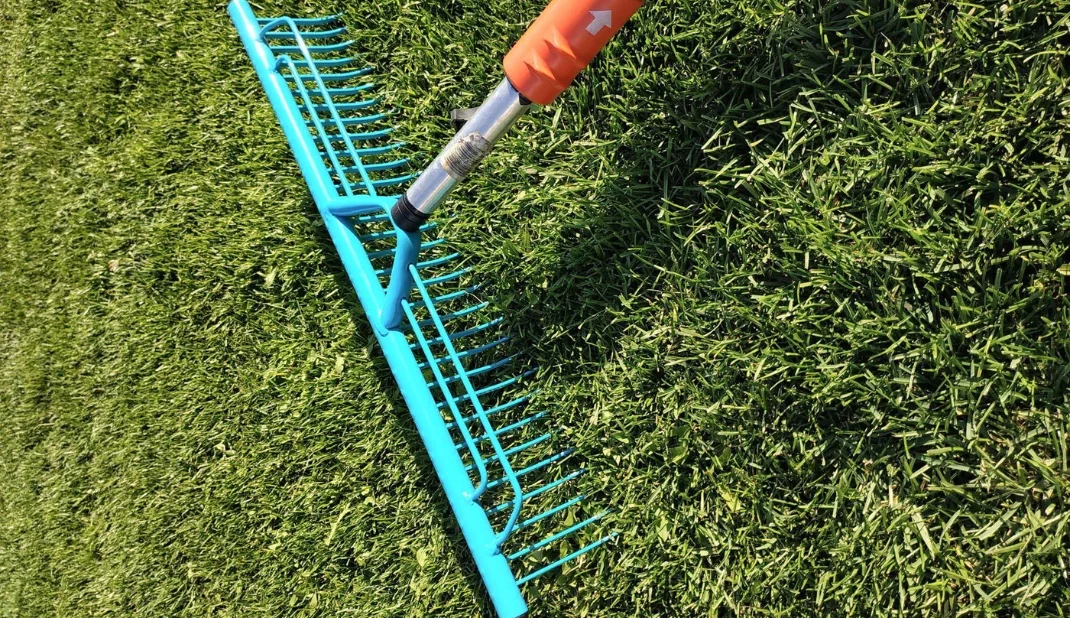
Прежде всего лужайку следует очистить от мусора и прошлогодней травы. Обычные грабли вычесывают не всю сухую траву. Идеальный инструмент для этой работы – специальные газонные грабли.
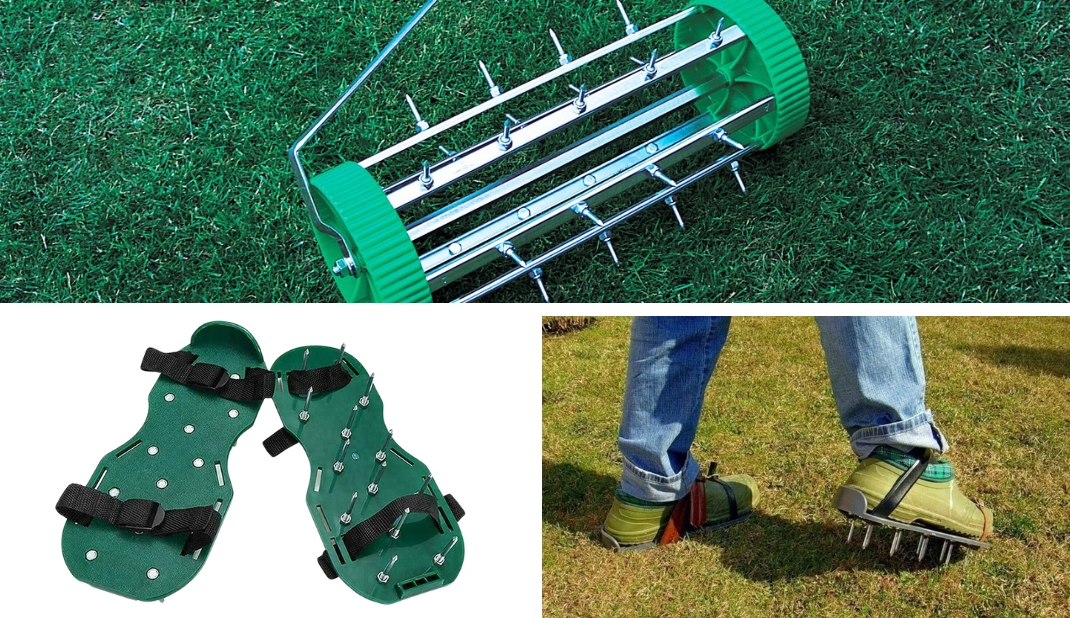
Далее рекомендуется провести аэрацию - прокалывание дерна под углом 45 градусов. Так улучшится вентиляция в дернине и разрыхлится почва.
Маленькую лужайку можно обрабатывать вручную: вилами или граблям.
Есть даже специальные сандалии для аэрации.
На больших площадях проще использовать при помощи скарификаторов и аэраторов.
Впервые за сезон - скосить газон. Цель первого скашивания – сделать газон ровным, одинаковым по высоте. Весной газон скашивают до 5-6 сантиметров.
После первого скашивания и после прогрева земли выполняется первая подкормка.
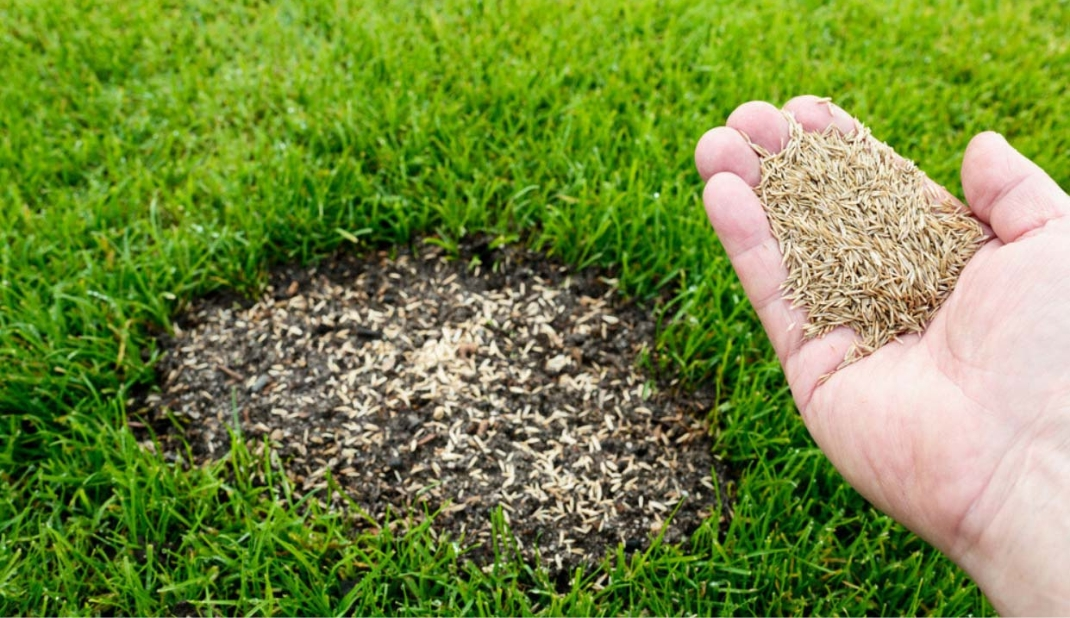
Следующий шаг после всех основных работ по уходу за газоном после зимы – подсев травы в местах, где образовались проплешины.
Обычно дожидаются устойчивой теплой погоды так как к этому моменту становится ясно где именно необходим подсев и где проплешины не затянутся сами.
Семена лучше всходят с поверхности. И часто их смешивают с рассыпчатым грунтом и просто посыпают нужные места.
Семена, оставшиеся от исходного посева гарантированно можно использовать в течение 4х лет – далее они ежегодно теряют 10-15% всхожести. Главное – не хранить их во влажной среде.
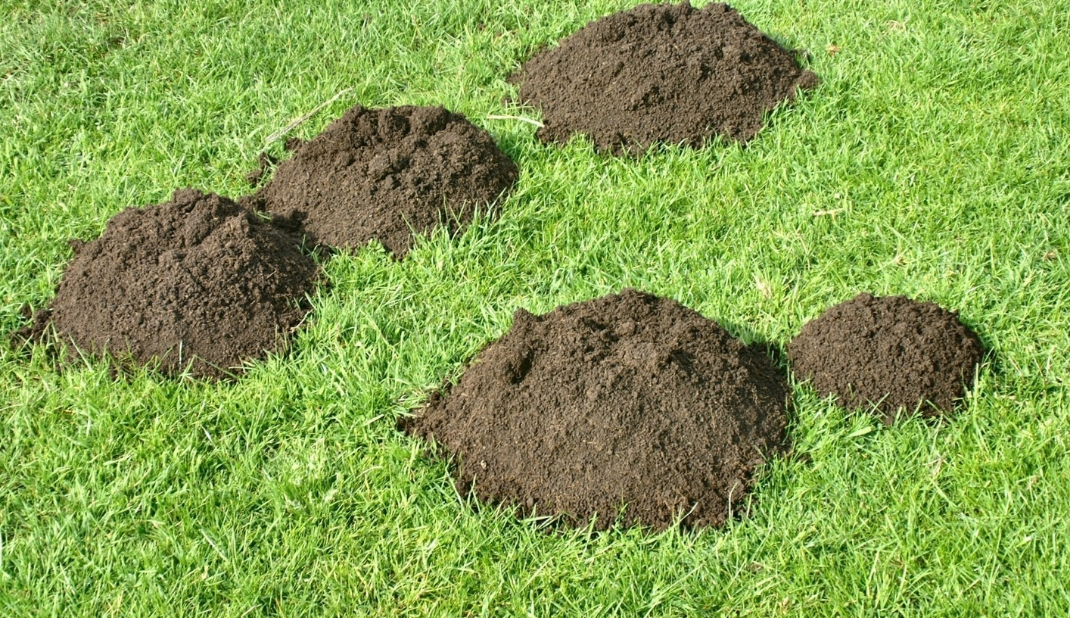
Бывает, что со сходом снега обнаруживаются кротовые норы. Считается, что кроты не причиняют серьезного ущерба, а напротив – проводят глубокую аэрацию и землевание.
«Кротовая земля» достаточно рыхлая, поэтому можно просто собрать её и разровнять по газону. Со временем отверстие затянется само.
Подкармливать газон не рекомендуется слишком рано в сезон.
Ранней весной энергия травы уходит на развитие корней. И если внести удобрения слишком рано, это слишком стремительно направит энергию растения на развития листьев.
Лучшее время – поздняя весна, когда зеленая трава начинает активно расти: середина-конец мая.
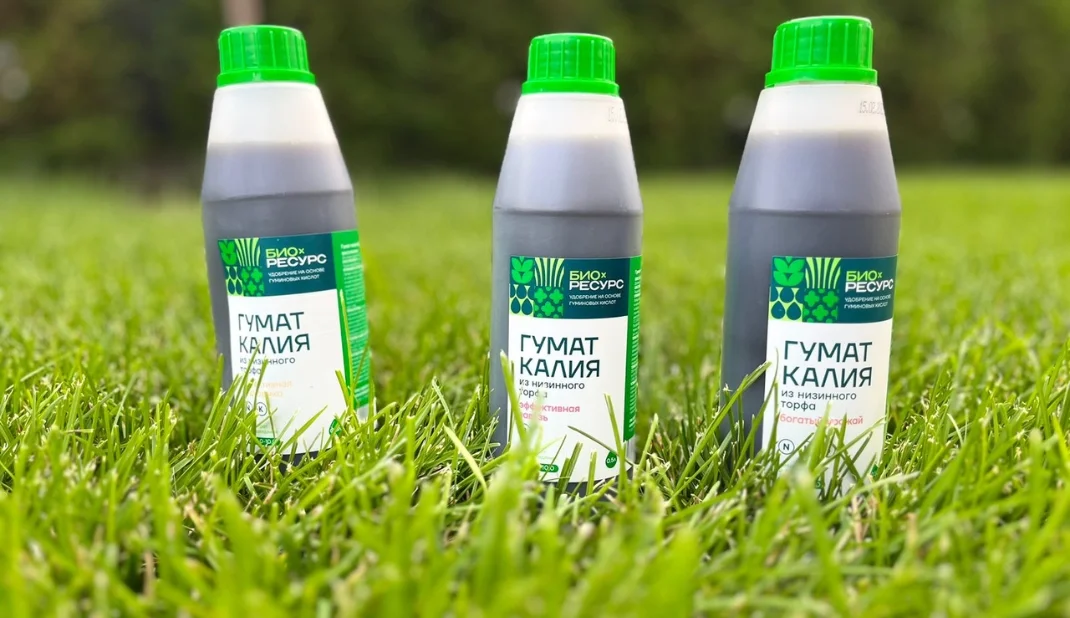
Минеральные удобрения просто необходимы газону. И в данном случае «Биоресурс» помогает снять стресс, умеренно ускорить рост и придать сил будущей лужайке.
Подкормки не следует проводить в солнечную жаркую погоду, иначе это сожжет молодую поросль. Рекомендованы сырые пасмурные дни или следующий день после прошедшего дождя.
Идеально, если система полива предусматривает введение жидких удобрений. Однако, подобные системы имеют высокую стоимость.
Использование неприспособленной для этой задачи техники испортит её – со временем минеральные удобрения забьют форсунки.
Маленький участок можно обработать из лейки. А если вы – счастливый обладатель большой лужайки?
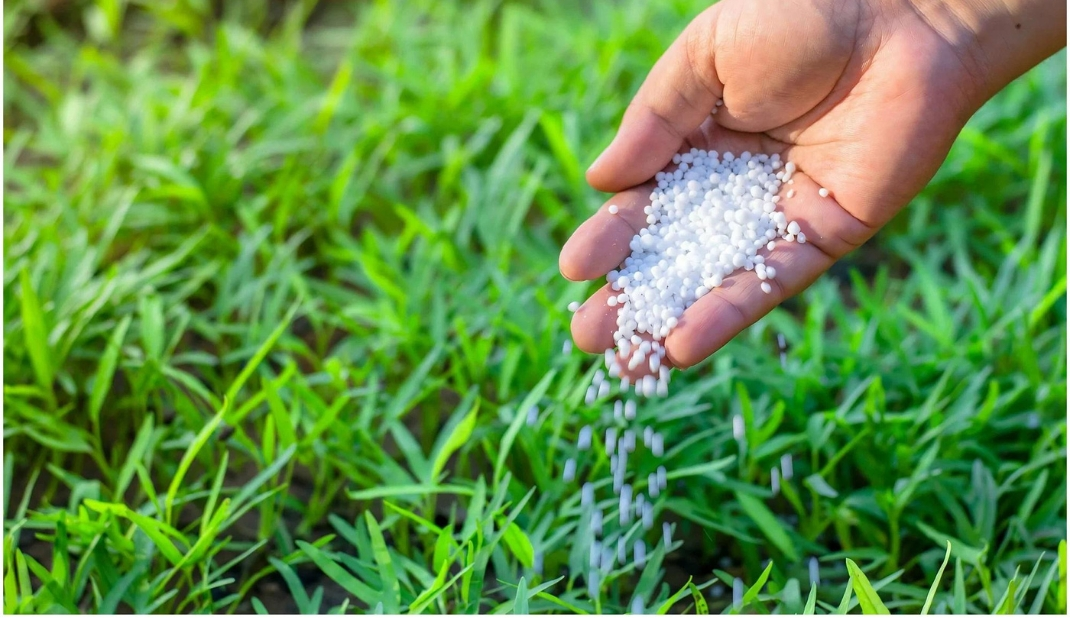
Предлагаем экстра-полезный лайфхак: напылять гумат калия «Биоресурс» на гранулированные минеральные удобрения.
Доза гранулированного удобрения берется из расчета на 1 кв.м.
Весь объём помещается в подходящую удобную ёмкость – возможно, таз или ванночка. А непосредственно гумат наносится из пульверизатора методом напыления на гранулы.
При этом, гумат калия «Биоресурс» используется в неразведенном виде.
Наносим гумат до момента окрашивания гранул и так, чтобы в емкости не было свободной лишней жидкости.
Далее – хорошо перемешиваем. Оставляем пропитаться на пару минут.
А непосредственно на газон вносим россыпью.
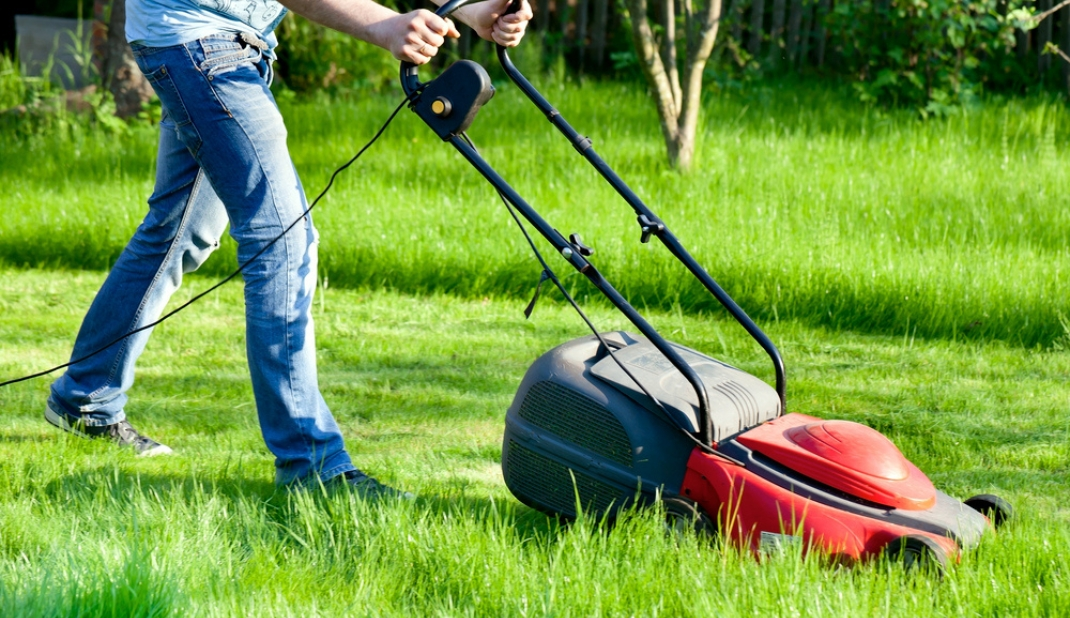
Ну и наконец – несколько простых правил стрижки газона
- не следует косить траву более чем на треть
Радикальная стрижка может ослабить её, а не укрепить, поэтому косите постепенно.
Оптимальная высота газона составляет 3-5 см.
В слишком высоком газоне растут сорняки, а в низком повреждается почва.
- косить нужно до внесения удобрений
Это необходимо, чтобы после удобрения газон быстро впитал питательные вещества.
- не стоит косить газон мокрым
Кошение будет некачественным, а мокрая трава налипнет на деку и травосборник.
- затачивать своевременно режущие ножи
Острые лезвия равномерно захватывают траву и аккуратно срезают до нужной длины.
Закладывая газон, нужно быть готовым к кропотливой работе. Однако, пушистая мягкая зеленая лужайка может стать прекрасным местом отдыха и радовать долгие годы.
Стоит отметить, что помимо эстетического удовольствия, газон приносит еще и пользу: знойным летом зеленая лужайка создает прохладу. Многочисленные исследования показали, что в жару температура воздуха над газоном на 3–5 °С ниже, чем над поверхностью голой почвы – из-за интенсивного испарения травой влаги. Кроме того, 1 га газона вырабатывает от 5 до 19 тонн кислорода в год – столько же, сколько гектар леса.
Самостоятельно заложить газон – дело нехитрое.
Но есть нюансы:
- выбор места
Все газонные травы любят обилие света. В теневых местах трава сильно вытягивается. И лужайка становится неопрятной.
Очень желательно выбирать ровные площадки.
Категорически не рекомендуются низинные участки: весной и после дождя вода будет застаиваться, что приведет к загниванию корней у трав.
- подготовка участка
Первым делом следует максимально тщательно истребить сорняки. В противном случае они прорастут сквозь газон и избавиться станет практически невозможно. В первую очередь это касается пырея ползучего, пижмы, тысячелистника, подмаренника.
Есть два способа: сложный и попроще.
В период цветения обработку можно повторить, чтобы улучшить синтез и транспортировку сахаров, увеличить вес клубней, а также содержание сухого вещества в клубне.
Сложным способом почва перекапывается на штык лопаты и комья земли перебираются вручную, с удалением даже малейших кусочков корней сорных трав.
Обработка участка гербицидом сплошного действия – способ попроще. Однако, подобная химия агрессивна ко всей растительности тоже.
Избавление участка от камней – также важная часть процесса: на чистой лужайке шансы повредить ноги и технику при последующих покосах минимальны.
Газон можно закладывать в течение всего теплого сезона - с конца апреля до конца сентября. Однако лучшие результаты дает посев весной и летом.
Самое главное при посеве газона – чтобы не вышло «тут густо, там пусто». Специальные сеялки для газона, например, можно взять в аренду.
До всхода травы поливать газон нужно ежедневно, а в жару – 2 раза в сутки: утром и вечером, пока нет жаркого обжигающего траву солнца. Затем поливы можно сократить до 1 раза в неделю.
Обновление уже имеющегося газона и оживление его в новом сезоне также требуют к себе повышенного внимания.
Прежде всего лужайку следует очистить от мусора и прошлогодней травы. Обычные грабли вычесывают не всю сухую траву. Идеальный инструмент для этой работы – специальные газонные грабли.
Далее рекомендуется провести аэрацию - прокалывание дерна под углом 45 градусов. Так улучшится вентиляция в дернине и разрыхлится почва.
Маленькую лужайку можно обрабатывать вручную: вилами или граблям.
Есть даже специальные сандалии для аэрации.
На больших площадях проще использовать при помощи скарификаторов и аэраторов.
Впервые за сезон - скосить газон. Цель первого скашивания – сделать газон ровным, одинаковым по высоте. Весной газон скашивают до 5-6 сантиметров.
После первого скашивания и после прогрева земли выполняется первая подкормка.
Следующий шаг после всех основных работ по уходу за газоном после зимы – подсев травы в местах, где образовались проплешины.
Обычно дожидаются устойчивой теплой погоды так как к этому моменту становится ясно где именно необходим подсев и где проплешины не затянутся сами.
Семена лучше всходят с поверхности. И часто их смешивают с рассыпчатым грунтом и просто посыпают нужные места.
Семена, оставшиеся от исходного посева гарантированно можно использовать в течение 4х лет – далее они ежегодно теряют 10-15% всхожести. Главное – не хранить их во влажной среде.
Бывает, что со сходом снега обнаруживаются кротовые норы. Считается, что кроты не причиняют серьезного ущерба, а напротив – проводят глубокую аэрацию и землевание.
«Кротовая земля» достаточно рыхлая, поэтому можно просто собрать её и разровнять по газону. Со временем отверстие затянется само.
Подкармливать газон не рекомендуется слишком рано в сезон.
Ранней весной энергия травы уходит на развитие корней. И если внести удобрения слишком рано, это слишком стремительно направит энергию растения на развития листьев.
Лучшее время – поздняя весна, когда зеленая трава начинает активно расти: середина-конец мая.
Минеральные удобрения просто необходимы газону. И в данном случае «Биоресурс» помогает снять стресс, умеренно ускорить рост и придать сил будущей лужайке.
Подкормки не следует проводить в солнечную жаркую погоду, иначе это сожжет молодую поросль. Рекомендованы сырые пасмурные дни или следующий день после прошедшего дождя.
Идеально, если система полива предусматривает введение жидких удобрений. Однако, подобные системы имеют высокую стоимость.
Использование неприспособленной для этой задачи техники испортит её – со временем минеральные удобрения забьют форсунки.
Маленький участок можно обработать из лейки. А если вы – счастливый обладатель большой лужайки?
Предлагаем экстра-полезный лайфхак: напылять гумат калия «Биоресурс» на гранулированные минеральные удобрения.
Доза гранулированного удобрения берется из расчета на 1 кв.м.
Весь объём помещается в подходящую удобную ёмкость – возможно, таз или ванночка. А непосредственно гумат наносится из пульверизатора методом напыления на гранулы.
При этом, гумат калия «Биоресурс» используется в неразведенном виде.
Наносим гумат до момента окрашивания гранул и так, чтобы в емкости не было свободной лишней жидкости.
Далее – хорошо перемешиваем. Оставляем пропитаться на пару минут.
А непосредственно на газон вносим россыпью.
Ну и наконец – несколько простых правил стрижки газона
- не следует косить траву более чем на треть
Радикальная стрижка может ослабить её, а не укрепить, поэтому косите постепенно.
Оптимальная высота газона составляет 3-5 см.
В слишком высоком газоне растут сорняки, а в низком повреждается почва.
- косить нужно до внесения удобрений
Это необходимо, чтобы после удобрения газон быстро впитал питательные вещества.
- не стоит косить газон мокрым
Кошение будет некачественным, а мокрая трава налипнет на деку и травосборник.
- затачивать своевременно режущие ножи
Острые лезвия равномерно захватывают траву и аккуратно срезают до нужной длины.
Закладывая газон, нужно быть готовым к кропотливой работе. Однако, пушистая мягкая зеленая лужайка может стать прекрасным местом отдыха и радовать долгие годы.
Контактная информация
8 800 500 31 20
г.Челябинск
Свердловский пр-кт, 40а/2
Россия, 456404,
Челябинская обл.,
пос.Тимирязевский,
ул.Мичурина, д.3.
8 800 500 31 20
г.Челябинск
Свердловский пр-кт, 40а/2
Россия, 456404,
Челябинская обл.,
пос.Тимирязевский,
ул.Мичурина, д.3.